


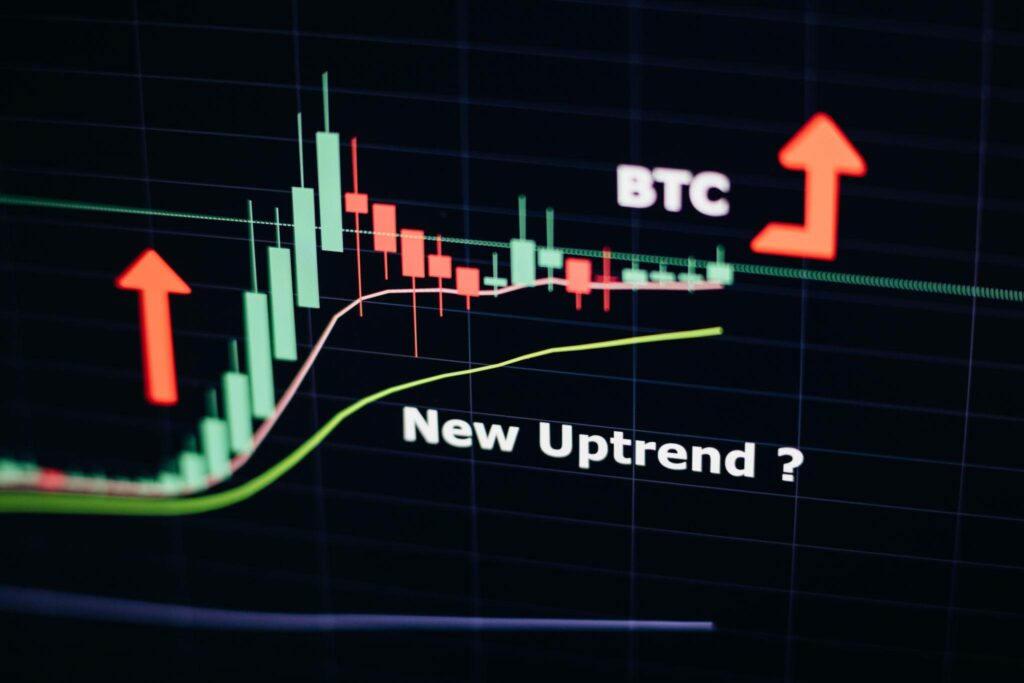
After months of intense volatility, the cryptocurrency market is witnessing a recovery that has reignited investor optimism. Leading the surge once again is Bitcoin, the largest digital asset by market capitalization and widely regarded as the barometer for the broader crypto space. Rising prices, improving liquidity, and the return of speculative capital are painting a picture that seems, at first glance, far removed from the gloom that dominated earlier periods.
Yet beneath this more positive surface, many analysts warn that the market may be approaching a critical resistance zone, both technically and psychologically. As upward momentum begins to slow, the possibility of another sharp selloff no longer appears far-fetched. Should that scenario unfold, it could trigger a chain reaction of liquidations, sweeping up even large funds and major investors who are heavily exposed through leverage.
The Recovery Brings Renewed Hope
The renewed inflow of capital into cryptocurrencies is taking place as global financial markets show signs of stabilization compared with earlier periods of stress. Bond yields have cooled, and expectations for less aggressive monetary policy have improved investors’ appetite for risk. In such an environment, highly speculative assets like cryptocurrencies often react the most strongly.
Bitcoin’s rise has pulled many other digital assets upward. Projects that had sunk deep during the downturn are now posting notable rebounds. Trading volumes on major exchanges have climbed sharply, while digital asset investment funds are recording net inflows after a prolonged period of withdrawals.
Market sentiment has shifted from fear to cautious optimism. Investor forums are lively again, and predictions of a new bullish cycle are becoming increasingly common. However, the history of the cryptocurrency market shows that strong recoveries following deep declines are often accompanied by violent swings and unexpected corrections.
Resistance Levels and Signs of Slowing Momentum
Although the short term trend has turned positive, many technical analysts point out that Bitcoin’s price is approaching an area that previously acted as a major peak or heavy distribution zone. This is where potential supply can increase as investors who were trapped at higher levels seize the opportunity to exit their positions.
Recent price action suggests that the pace of gains has begun to slow. Breakouts are no longer as decisive as they were in the early stages of the rebound. Daily price ranges are gradually narrowing, signaling a tug of war between buyers and sellers. Momentum indicators across several time frames are starting to move sideways rather than expanding in line with the prior uptrend.
In this context, any negative news from the macroeconomic environment, regulatory policy, or internal disruptions within the crypto ecosystem could act as a catalyst for a sudden rise in selling pressure. When the market is positioned at a sensitive level, price reactions tend to be more intense than usual.
Lessons from the Gold Market
Recent developments in cryptocurrencies bear some resemblance to what has happened in the gold market at times. The precious metal has experienced strong rallies driven by demand for risk hedging and inflation protection, only to face rapid selloffs when investors took profits or rotated into other assets.
Crowd psychology in financial markets tends to repeat in cycles. When prices rise for long enough, confidence can gradually turn into complacency. Leverage becomes more widely used, and long positions accumulate at elevated levels. With positioning stretched, it takes only a modest negative shock to trigger a swift rush for the exits.
In the case of cryptocurrencies, volatility is already far higher than in gold. As a result, if a strong correction does occur, the magnitude of the drop could be larger and the speed even faster than what is typically seen in traditional markets.
The Risk of Chain Liquidations
One of the most vulnerable aspects of the cryptocurrency market is the heavy use of leverage on derivatives exchanges. During steady price increases, many traders open long positions in hopes of amplifying their returns. This creates a fragile layer of liquidity beneath the market.
If prices suddenly reverse and fall quickly, leveraged positions can be liquidated automatically. These forced sales push prices even lower, triggering further liquidations. The resulting domino effect can send the market into panic within a very short time.
In the past, several crypto investment funds have collapsed within days of extreme volatility. Even large institutions are not immune if their risk management is weak or if they place too much faith in a prolonged uptrend.
Euphoria and a Familiar Trap
The current recovery is reviving the belief that the market has entered a new, sustainable bull cycle. Yet the early stages of major downturns often occur precisely when the majority believes the worst is over. This sense of euphoria can cause many to ignore warning signals from the market.
When prices approach strong resistance but fail to break through convincingly, psychological pressure begins to build. Those who bought at lower levels consider taking profits. Late buyers fear being trapped. If a sharp decline emerges and breaks the short term bullish structure, anxiety can spread very quickly.
Cryptocurrency markets operate around the clock, without the trading breaks seen in traditional markets. As a result, sharp crashes often occur outside conventional hours, making it difficult for investors to react in time. This factor further increases the level of risk compared with many other asset classes.
A Cautious View from Analysts
Many experts believe the current rebound may still have room to extend, but they also acknowledge that the probability of a deep correction rises as prices move into sensitive territory. Rather than trying to predict the exact top or bottom, they emphasize that risk management and leverage control are what ultimately determine survival.
The cryptocurrency market remains heavily influenced by short term speculative capital. When global financial conditions shift, this capital can exit as quickly as it entered. The market’s strong dependence on sentiment and liquidity means reversals often occur rapidly and with little warning.
A Shock Drop Is Not an Unfamiliar Scenario
Bitcoin’s history shows that steep declines following strong rallies have happened repeatedly. Even within long term bull cycles, the market has experienced sharp pullbacks large enough to wipe out excessive speculative positions.
If a similar scenario unfolds again, the impact would extend beyond individual retail traders. Funds employing high leverage strategies, as well as companies involved in mining or crypto lending, could face significant liquidity pressure.
Spillover effects from derivatives markets to spot markets, and from one exchange to another, could create a short term but violent downward spiral. After each such episode, the market structure often shifts as weaker players are forced out.
Between Opportunity and Risk
The renewed rise of cryptocurrencies clearly offers significant opportunities for those who entered early and manage their capital wisely. Yet periods of optimism are also when hidden risks tend to grow. As the market approaches resistance and momentum weakens, caution becomes more essential than ever.
No one can say with certainty whether a sharp crash will happen immediately or not. But preparing for a negative scenario is always better than being caught off guard when volatility strikes. In a market famous for vertical rallies and equally steep drops, discipline and risk control often mark the line between staying in the game and being swept out of it.
The recovery in cryptocurrencies is opening a hopeful new chapter, but it is also placing the market before a critical test. If it can break through current resistance with sustained capital inflows, the uptrend may strengthen. Otherwise, a single misstep could be enough to trigger a powerful wave of selling, echoing the market tremors that have sent prices plunging in the past.
