Quantum Computers · 3 November, 2026
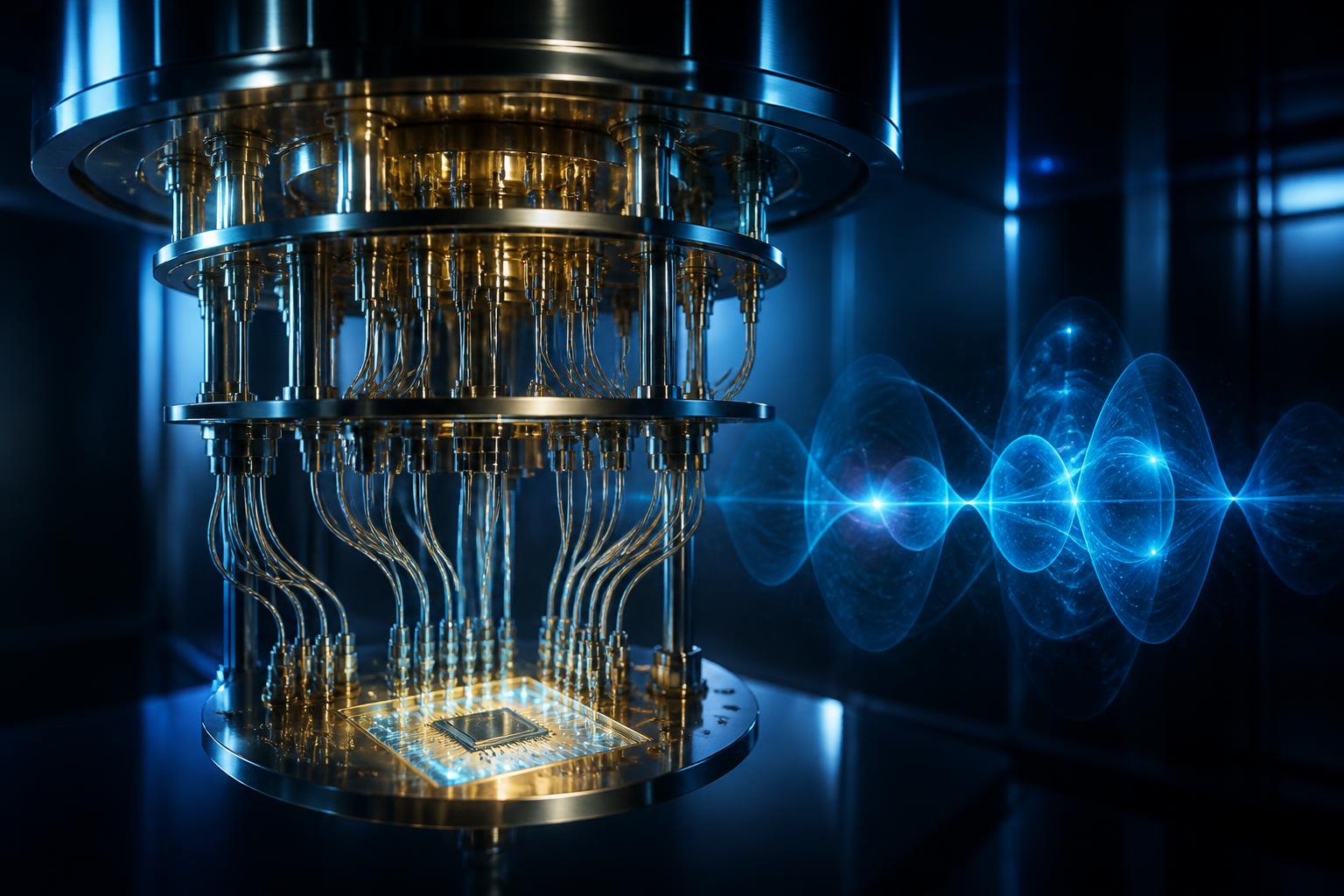
When people talk about quantum computers, they often focus on concepts such as superposition, quantum entanglement, or quantum gates. However, a quantum program does not naturally turn into a result through just a few lines of code. It must pass through many intermediate layers, including the layer that describes the algorithm, the compiler, the hardware
Read more →Quantum Computers · 3 November, 2026
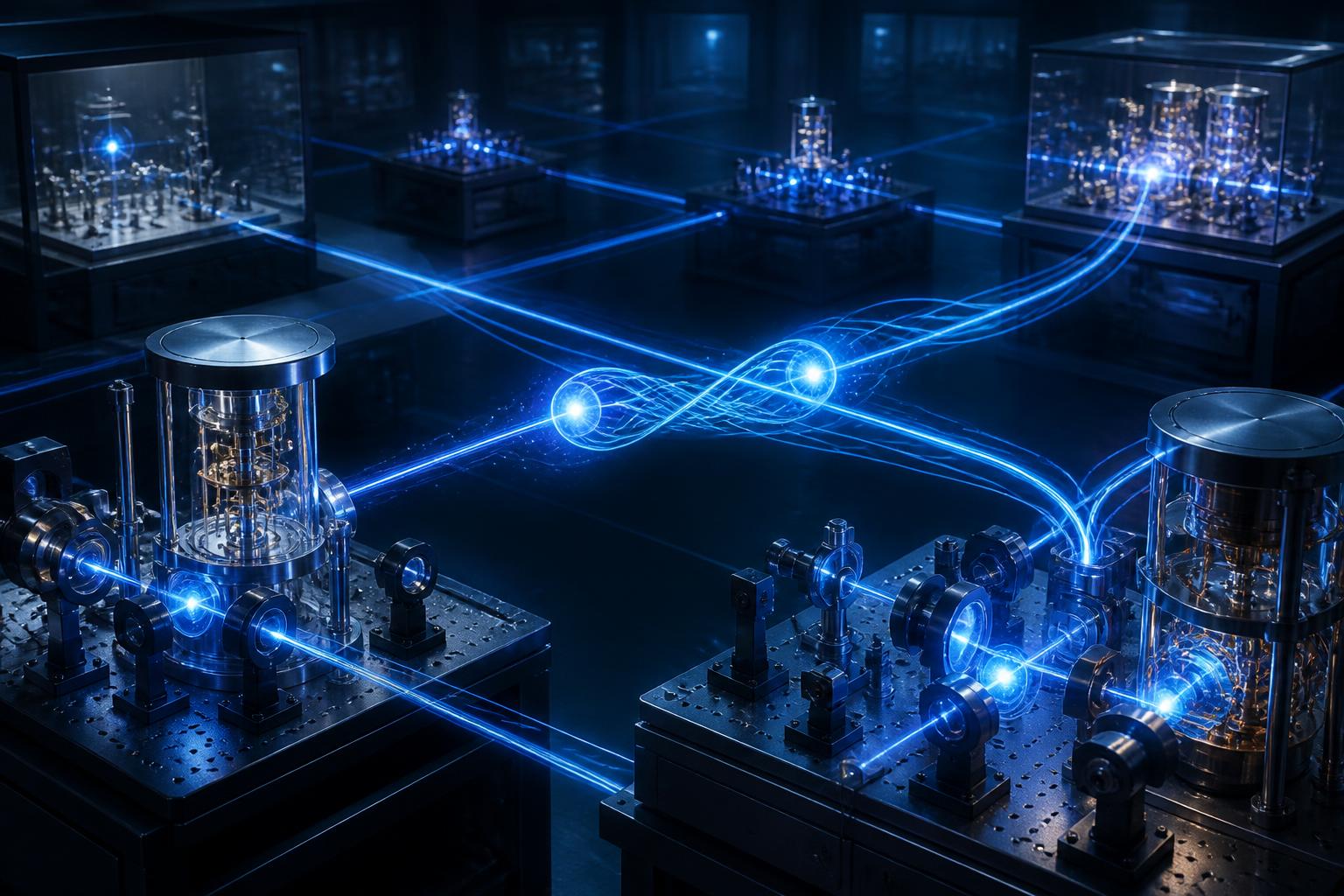
When people talk about programming quantum computers, they often focus on algorithms, qubits, or promises of faster computation. However, an algorithm described on paper cannot automatically run on just any quantum device. Between a mathematical idea and a result measured from hardware lies a less noticeable but decisive layer of technology: the quantum compiler. This
Read more →Quantum Computers · 2 November, 2026
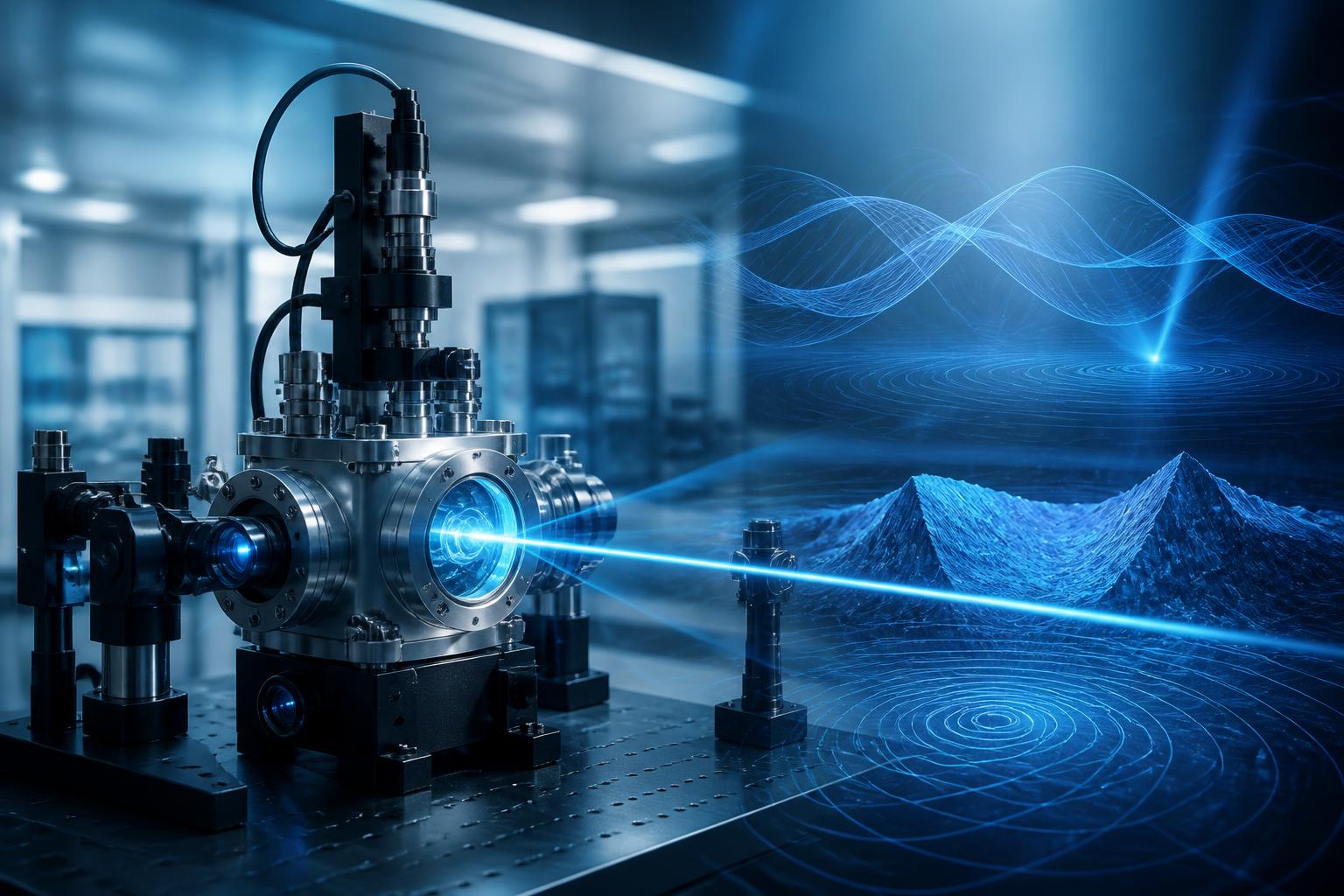
When quantum technology is mentioned, many people first think of quantum computers or communication systems capable of protecting data. However, another area of application receiving considerable attention is quantum sensing. Rather than using quantum states to perform calculations or transmit information, quantum sensors exploit the sensitivity of those states to influences from the environment. As
Read more →Quantum Computers · 2 November, 2026
In discussions about quantum computers, the phrase “quantum advantage” is often mentioned as a decisive milestone. However, it is not a medal that can be awarded simply because a device completes a calculation faster than a conventional computer. A notable laboratory result may show that quantum hardware is advancing, but it does not necessarily create
Read more →Quantum Computers · 1 November, 2026
In every computing system, errors cannot be eliminated completely. Conventional computers address this problem through mechanisms such as redundant bits, error-correcting codes, and data integrity checks. Quantum computers also need error correction, but the challenge is far greater. A classical bit can be in only one state, 0 or 1, at a given time, whereas
Read more →Quantum Computers · 1 November, 2026
When people talk about quantum computers, the concept usually mentioned first is the qubit. It is the unit of information corresponding to the bit in a traditional computer, but it does not operate in the same way. An ordinary bit is represented by one of two values, 0 or 1, whereas a qubit can be
Read more →