Blockchain Information · 3 November, 2026
Blockchain is often described as a system that operates without a central control center. However, no network remains completely static. Software needs bug fixes, rules need to be updated, technical parameters sometimes have to be adjusted, and the community may need to respond to situations that were never anticipated. This raises an important question that
Read more →Blockchain Information · 3 November, 2026
When blockchain is mentioned, many people immediately think of computer systems operating continuously, data centers consuming large amounts of electricity, and debates about environmental impacts. This concern is justified, but evaluating blockchain based only on a general conclusion that the technology is either “energy-intensive” or “environmentally friendly” can lead to an inaccurate view. Energy consumption
Read more →Blockchain Information · 2 November, 2026
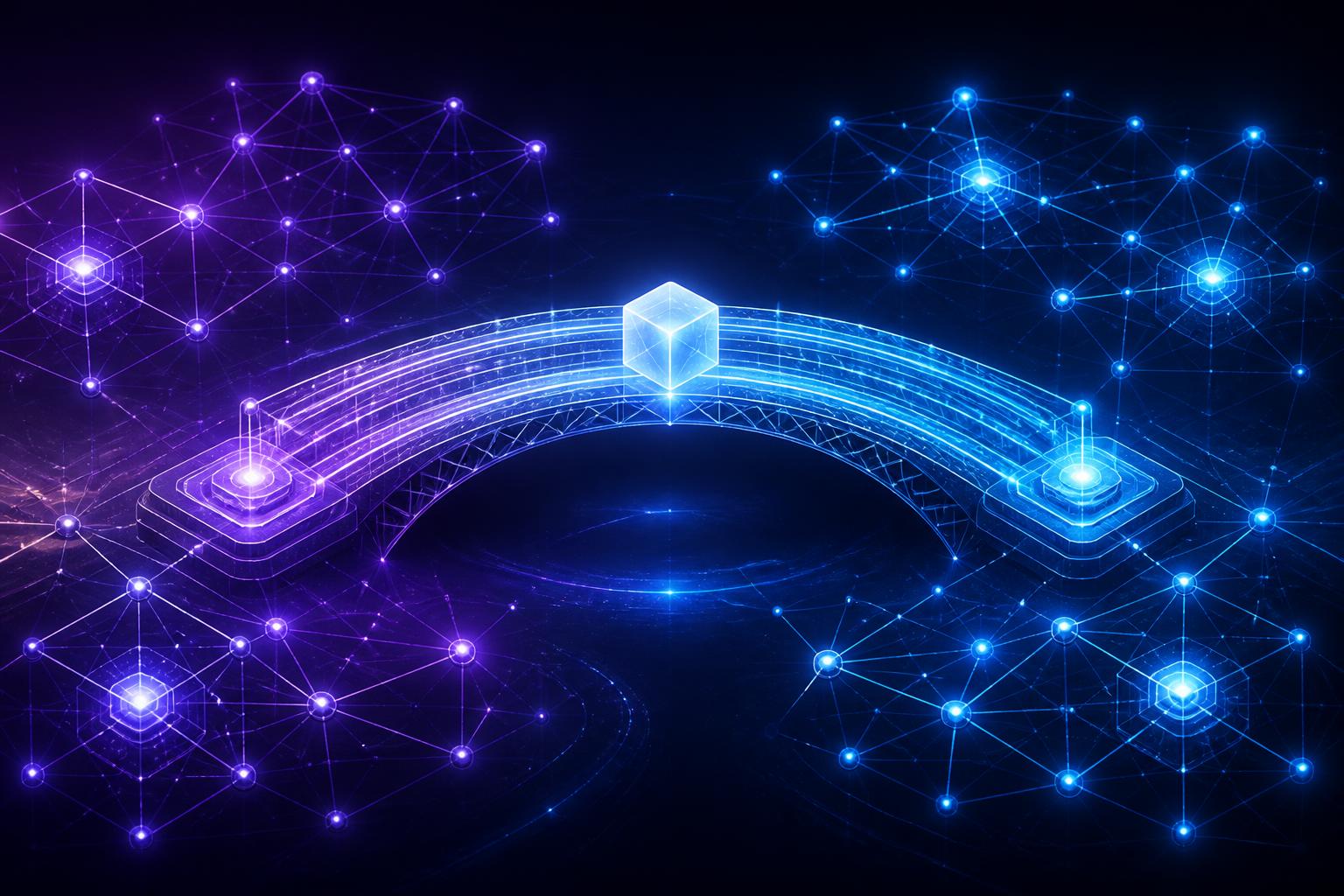
Blockchains are often described as independent networks, each with its own consensus rules, data storage methods, and transaction confirmation mechanisms. This independence allows a blockchain to be optimized for a specific purpose, but it also creates an increasingly clear problem as the number of networks grows: assets and data on one network cannot automatically be
Read more →Blockchain Information · 2 November, 2026
Blockchain is often described through appealing characteristics such as transparency, verifiability, and the difficulty of changing data once it has been recorded. These characteristics create clear value in many situations, especially when parties need to jointly confirm a state without wanting to depend entirely on a central authority. However, transparency does not always mean suitability.
Read more →Blockchain Information · 1 November, 2026
In discussions about blockchain, the term “smart contract” is often mentioned as a development that could change the way people conduct transactions. The name can easily lead newcomers to think that this is a type of digitized legal contract capable of automatically resolving every dispute. The reality is more complex. A smart contract is primarily
Read more →Blockchain Information · 1 November, 2026
Blockchain is often introduced as infrastructure that can record and verify transactions without a single central authority. However, as the number of users grows, a practical question quickly arises: how many transactions can the network process within a given period, at what cost, and with what level of stability? This is the problem of scalability,
Read more →