


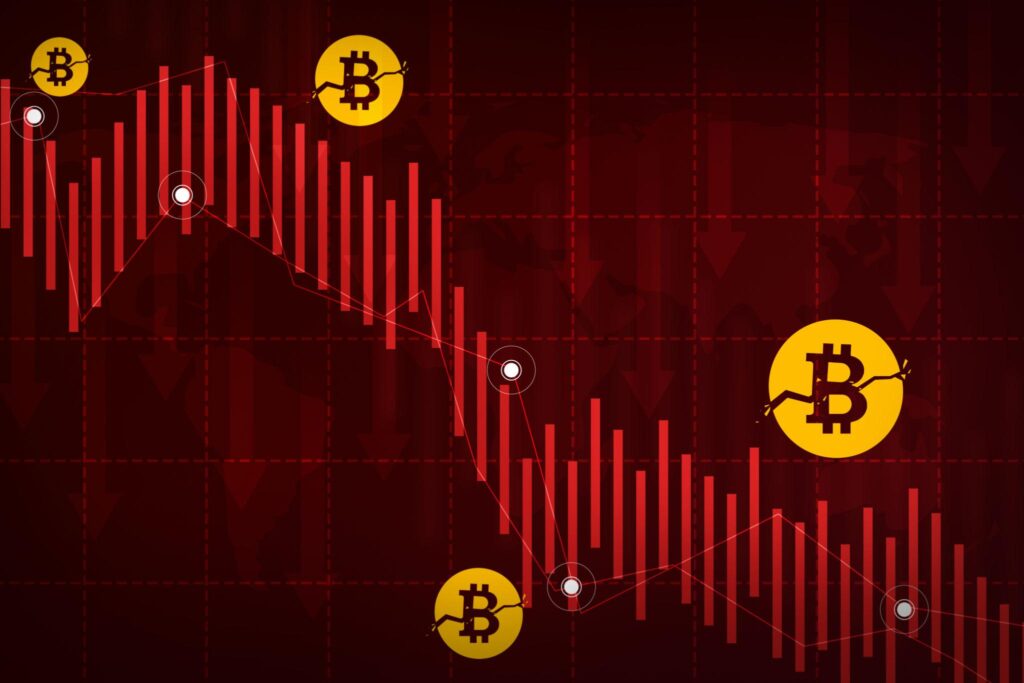
This week marked one of the most volatile periods in the cryptocurrency market since the beginning of 2026. After months of optimism surrounding a potential new bull cycle, Bitcoin suddenly experienced a sharp correction that triggered widespread selling across the market. Numerous altcoins lost between 20% and 50% of their value within days, leveraged positions were liquidated en masse, and investor sentiment quickly shifted from enthusiasm to caution.
Bitcoin had been trading around the $77,000–$78,000 range before facing significant selling pressure that pushed its price below the $60,000 level. Following the sharp decline, the world’s largest cryptocurrency attracted dip buyers and managed to recover part of its losses. However, the market has yet to confirm a new bullish trend, as liquidity and speculative capital remain relatively weak.
Bitcoin’s decline created a ripple effect throughout the entire digital asset market. Ethereum, Solana, XRP, BNB, and many other large-cap cryptocurrencies recorded substantial losses. Several projects that had delivered impressive gains in previous months gave back a significant portion of their profits within just a few trading sessions. Hundreds of billions of dollars in market capitalization were wiped out, highlighting the market’s sensitivity to major Bitcoin movements.
One notable development this week was the clear shift in capital flows. During strong bullish periods, investors often move capital into high-risk altcoins in search of outsized returns. However, when markets correct, capital tends to flow back into relatively safer assets such as Bitcoin or stablecoins. As a result, many altcoins experienced steeper declines than Bitcoin itself.
Several tokens in the AI, meme coin, and emerging project sectors also witnessed extreme volatility. Many assets that had surged by dozens of times over a short period began facing aggressive profit-taking. This is a familiar pattern in the cryptocurrency market, where rapid price appreciation often encourages investors to lock in gains, creating significant downward pressure.
Beyond internal market dynamics, the broader macroeconomic environment also contributed to the weakness in risk assets. Concerns surrounding interest rates, geopolitical tensions, and cautious institutional sentiment reduced speculative activity across financial markets. As risk appetite declined, cryptocurrencies became one of the first asset classes to feel the impact.
Liquidation data revealed the severity of the recent correction. During the most volatile periods, billions of dollars worth of leveraged positions were forcibly closed. Most liquidations came from traders betting on continued upward momentum while using high leverage. The resulting cascade of forced selling accelerated the decline and intensified market volatility.
Despite the bearish atmosphere, some positive signals emerged. Many long-term investors and institutional participants appear to be taking advantage of lower prices to accumulate additional Bitcoin. Strong buying interest has been observed around lower price zones, suggesting that confidence in the long-term potential of digital assets remains intact.
Another bright spot is Bitcoin’s growing market dominance. This trend reflects a defensive stance among investors, who increasingly prefer holding the most established cryptocurrency during periods of uncertainty. Historically, rising Bitcoin dominance has often preceded a later rotation of capital back into altcoins once market conditions stabilize.
Overall, this week served as another reminder of the inherent volatility of the cryptocurrency market. Bitcoin experienced a significant correction, many altcoins surrendered much of their previous gains, and investor caution now dominates market sentiment. In the short term, further turbulence and sharp price swings remain possible. However, for long-term investors, periods of correction like the current one are often viewed as opportunities to reassess portfolios and prepare for future growth once the next market trend begins to emerge.
