



Rules in the Virtual World: Why Communities Cannot Rely on Technology Alone
Whenever people talk about the virtual world, they often think of images, connection speeds, wearable...
Nov
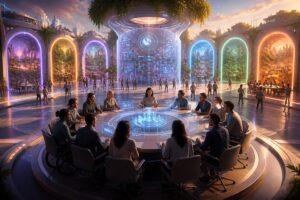
Rules in the Virtual World: Who Decides What Is Allowed?
In a virtual world, users usually pay attention first to the visuals, connection speed, and...
Nov

Digital Identity in the Virtual World: Who Are We When Our Forms Can Change?
In everyday life, identity is often associated with relatively stable markers such as a face,...
Nov

Who Owns Virtual Items in Virtual Worlds?
A character outfit, an elaborately decorated room, a virtual car, or an item used in...
Nov

How Is the Sense of Presence in Virtual Spaces Created?
When entering a virtual space, users do not merely see a scene built with software....
Nov

When Sound and Movement Create a Sense of Presence in the Virtual World
When discussing the virtual world, visual elements often occupy center stage. People pay attention to...
Nov
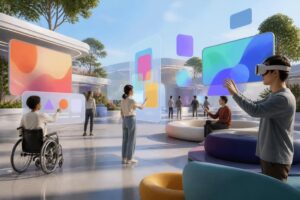
Designing Accessible Virtual Worlds: Digital Spaces for Many Ways of Being Present
Virtual worlds are often imagined through richly detailed scenery, characters that can move freely, and...
Oct

When an Avatar Becomes a Second Identity in the Virtual World
In highly interactive digital spaces, people rarely appear entirely under their real names and with...
Oct

What Creates the Boundaries of Privacy in the Virtual World?
The virtual world is often described through expansive images: digital plazas, immersive meeting rooms, online...
Oct

Touch in the Virtual World: When Interaction Is No Longer Limited to Sight and Sound
In most virtual-world experiences today, people receive information primarily through images and sound. Displays transport...
Oct