


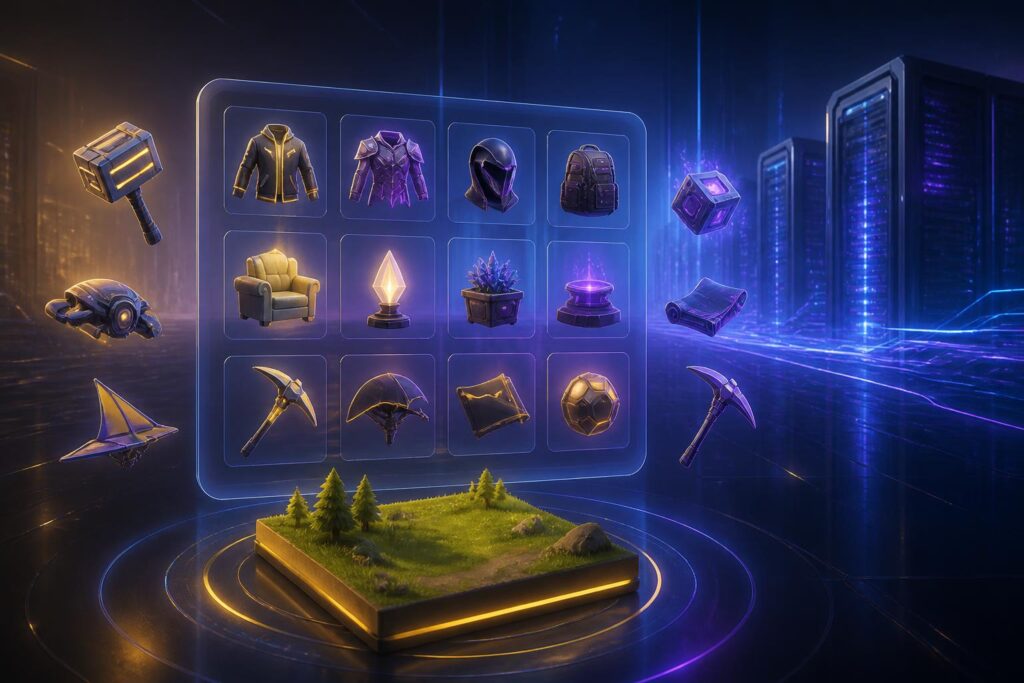
In increasingly complex virtual worlds, users can buy clothes for their avatars, decorate rooms, rent a piece of digital land, collect items, or pay to attend a private event. These things do not exist in physical form, but they can cost real money, be tied to the labor time of the people who create them, and carry significant meaning for the communities that use them. This gives rise to a question that seems simple but is not easy to answer: is the buyer acquiring an asset, or merely purchasing access to a service?
This question is far more important than the terminology used in an interface. A platform may use words such as buy, sell, collect, or own, but the user’s actual rights still depend on the terms of service, technical design, and applicable law. If the servers shut down, an account is locked, or an item is changed, users may discover that what they thought was an independent asset is actually only a conditional right of use. The gap between the feeling of ownership and legal rights therefore needs to be approached with caution.
What Do Assets in Virtual Worlds Include?
The concept of digital assets in virtual worlds can encompass many types of objects. These include items used to change an avatar’s appearance, tools that support activities, decorations, event tickets, rights to access an area, spaces designed by users, or products created with a platform’s tools. Some items can be transferred between users, some can only be used within the account that purchased them, and others exist for a limited period.
What these objects have in common is that they depend on a technical system. A virtual item is not simply data stored on a user’s device. It is usually recorded in the platform’s database, linked to an account, governed by display rules, and functional only as long as the software continues to support it. Therefore, the fact that a user has an image or interface copy of an item does not mean they can freely reproduce, resell, or use it outside the system.
It is also necessary to distinguish between virtual assets and intellectual property rights. A person may purchase the right to use a digital outfit, but that does not mean they own the copyright to the drawings, models, or trademarks that make up that outfit. Conversely, the designer may retain copyright in the product, while the platform holds the right to operate the distribution system. Buyers generally receive only a specific scope of use, limited by the license and the terms of the transaction.
A Transaction Does Not Always Create Ownership Rights
In ordinary life, buying an item is generally understood to mean that the buyer can possess, use, give away, or resell it. In the digital environment, this relationship does not automatically exist. A transaction may be an outright purchase, but it may also be payment for a non-exclusive, non-transferable license that can be revoked in certain circumstances.
Terms of service often determine many matters that advertising does not make clear. Users need to know whether an item can be transferred to another account, whether resale is permitted, whether the platform has the right to change the item’s features or appearance, and what happens when an account is suspended. If an item is created using the platform’s tools, the terms may also specify who is allowed to exploit the images, designs, or content associated with that item.
This is why the word ownership can be misleading when used in commercial communications. It creates a sense of a lasting right, while in reality there may only be a conditional right of access. More transparent wording should tell users what type of right they are receiving, how long it lasts, whether it depends on an account, and where it can be enforced.
Platform Dependence and the Risk of Losing Access
The greatest risk associated with assets in virtual worlds is their dependence on the platform. An item has value only when the system continues to store the data, authenticate the account, and provide an environment in which the item can function. If a company discontinues the service, changes its business model, or deletes an area, users may no longer have any way to use the item even though they have paid for it in full.
This situation differs from a store closing after selling a chair. The chair still exists and can be taken elsewhere. Virtual items often do not have that kind of independence. They may lose all functionality if there are no longer servers, software, or compatible standards. Backing up an avatar image also does not restore the attributes, transaction history, or interactive capabilities that give the item its value.
Users may also lose access because they forget their login information, have their accounts taken over, violate community rules, or are mistakenly identified in an automated moderation process. These cases show that digital assets are tied not only to storage technology but also to account-governance mechanisms. A system that properly protects assets should provide clear notices, a reasonable appeals process, and transparent procedures for handling disputes when they arise.
When Virtual Assets Are Traded Between Users
The secondary market makes the issue more complicated. When users can resell items, their value is no longer determined solely by the platform but also depends on scarcity, community demand, and confidence in the continued operation of the service. A transaction between two people can give rise to disputes over payment, delivery, transfer rights, or the origin of the item.
Platforms often face a difficult choice. If they control all transactions, they may be able to protect buyers better, but at the same time they assume greater responsibility for the exchange activity. If they allow users to trade freely, the market may be more flexible, but the risks of fraud, fake accounts, and transactions outside the system also increase. Rules concerning transaction fees, cancellation rights, refund mechanisms, and the handling of stolen items need to be disclosed before users participate.
Buyers also need to distinguish use value from speculative value. An item may be sought after by many people for a short time but quickly lose value if the platform releases a similar product, changes the rules, or the community moves to another area. There is no guarantee that a virtual item will increase in value simply because it is introduced as limited. Scarcity within a closed system is not the same as the scarcity of an object that can exist independently of its issuer.
The Rights of Content Creators
Virtual worlds do not consist only of buyers. Many items are created by artists, designers, small developers, or users themselves within the community. When their products are uploaded to a platform, it is necessary to clarify who retains the rights to the original design, the extent to which the platform is permitted to use the product, and whether the creator receives revenue from subsequent transactions.
An overly broad licensing provision may allow the platform to use a creator’s content in advertising, training data, new products, or other commercial activities. Conversely, excessively strict rules may prevent creators from moving their products to another environment or showcasing their work outside the platform. Balancing the business’s operational rights with creative control is a core issue for a healthy ecosystem.
Content creators also need to consider their liability when a product uses images, sounds, characters, or trademarks belonging to third parties. A virtual item may be elaborately designed but still lead to a dispute if it is based on intellectual property that the creator has no right to exploit. The platform should have a mechanism for receiving complaints, but it should not shift the entire legal burden onto users through difficult-to-understand terms.
A Need for a More Transparent Approach
Not every item in a virtual world needs to be regarded as an asset in the full sense. Some things should be understood as tickets, service packages, licenses to use, or participation rights for a certain period. What matters is that the commercial name corresponds to the actual rights. Users need to be clearly informed before a transaction about platform dependence, transferability, the period of use, and the conditions for revocation.
At the design level, platforms can provide a rights description table rather than displaying only the price and image. This table should explain where the item can be used, whether it can be given away or resold, what happens when an account is locked, and whether the product retains value when a feature is discontinued. Information about the history of changes is also useful, because modifying an item after it has been sold can affect the experience and value that buyers expected.
At the user level, cautious habits also need to be developed. Before paying, buyers should read the sections of the terms relating to rights of use, keep their receipts, and avoid providing login information to intermediaries. For high-value transactions, checking transferability and dispute-resolution mechanisms is no less important than examining the item’s appearance.
Virtual worlds will struggle to develop sustainably if economic value is built on ambiguity. Users may accept that an item is merely a right of access, as long as they are informed honestly and receive exactly what they paid for. Conversely, when the language of ownership is used to create expectations but actual rights can be unilaterally limited, trust in both the platform and the market will decline.
The core issue, therefore, is not whether an item is called an asset or a digital product. What matters is who controls it, what rights users receive, how long those rights last, and whether there is any way to protect them when the system changes. A mature virtual world needs to answer these questions before persuading users to spend money on the feeling of ownership.
