


Background of the Allegations Involving Binance and Iran
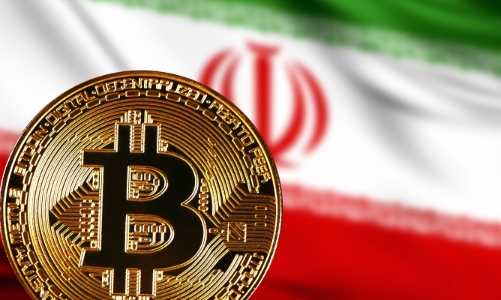
In recent weeks, the world’s largest cryptocurrency exchange, Binance, has faced growing scrutiny after international reports suggested the platform may have been used to transfer funds linked to Iranian entities. The allegations center on whether Binance’s trading infrastructure was exploited to bypass financial sanctions imposed by the United States and its allies on Iran.
The controversy emerges at a time when the global cryptocurrency ecosystem has become an increasingly important cross-border financial network. For countries facing economic sanctions, digital assets can offer alternative channels for moving money outside the traditional banking system.
According to several international reports, investigators identified significant flows of cryptocurrency transactions passing through Binance that were allegedly connected to wallets associated with networks linked to Iran. These revelations have intensified regulatory pressure on the exchange and renewed debate about the role of crypto platforms in global financial compliance.
Reports of More Than $1 Billion in Transactions Linked to Iran
Investigative reports have suggested that Binance’s internal compliance teams detected suspicious transactions connected to Iran totaling more than $1 billion between 2024 and 2025. These transfers reportedly relied heavily on stablecoins such as Tether and moved through the Tron blockchain network.
Internal documents cited in international media also suggested that roughly $1.7 billion in cryptocurrency may have been transferred from customer accounts, many believed to be linked to Chinese traders, into digital wallets allegedly associated with groups connected to Iran.
Some reports indicated that certain transactions might have been tied to organizations in the Middle East, including networks believed to have links with the Houthi movement in Yemen. The group has been associated by U.S. authorities with Iranian influence and has been included in various sanctions frameworks.
The initial discoveries reportedly came from Binance’s own internal investigative teams. However, several individuals involved in examining the suspicious transfers were later dismissed or suspended, a development that sparked debate about transparency and internal governance within the company.
U.S. Department of Justice Begins Inquiry
In response to the allegations, the U.S. Department of Justice is reported to have started examining whether Iran or Iranian-linked organizations used Binance to bypass international sanctions. The inquiry is focused on determining whether digital assets flowing through the exchange were ultimately used to support sanctioned entities.
Several U.S. lawmakers have also raised concerns about the issue. Some have called for a deeper investigation into whether cryptocurrency exchanges are being used as channels to circumvent financial restrictions imposed by the international community.
At present, the investigation is still in its early stages and no official conclusion has been announced by U.S. authorities.
Binance’s Response to the Allegations
Binance has rejected many of the claims circulating in international media. The company insists that it maintains strict compliance procedures, including Know Your Customer verification and anti-money-laundering monitoring systems.
According to the company, users located in Iran are prohibited from accessing the platform. Binance has stated that any accounts suspected of sanctions violations are immediately restricted and reported to relevant law enforcement agencies.
The exchange has also emphasized that it cooperates with international regulators and blockchain analytics firms to monitor suspicious activity. Binance argues that many of the reported transactions involved indirect blockchain interactions rather than direct transactions with sanctioned entities.
In response to what it considers inaccurate reporting, Binance has filed a lawsuit against The Wall Street Journal, accusing the publication of damaging the company’s reputation with misleading coverage related to the Iran allegations.
Binance’s Legal History and Compliance Challenges
The recent accusations arrive against the backdrop of Binance’s previous legal challenges. In 2023 the exchange reached a major settlement with U.S. authorities over violations related to anti-money-laundering rules and sanctions compliance.
As part of the settlement, Binance agreed to pay roughly $4.3 billion in penalties. The case also led to significant leadership changes within the company.
Binance founder Changpeng Zhao stepped down as chief executive after pleading guilty to failing to maintain an effective anti-money-laundering program. The case became one of the largest regulatory actions ever taken against a cryptocurrency company.
These past legal issues have made Binance a central example in the ongoing global debate about how governments should regulate the rapidly expanding crypto industry.
Cryptocurrency and the Challenge of Sanctions Enforcement
The controversy surrounding Binance highlights a broader challenge in the international financial system. Countries under sanctions, such as Iran, often struggle to access the global banking network dominated by Western financial institutions.
Cryptocurrencies offer a decentralized alternative that can operate beyond traditional banking infrastructure. Digital assets can be transferred globally with minimal intermediaries, making them attractive tools for cross-border transactions.
However, the same characteristics that make cryptocurrencies efficient for legitimate use also complicate regulatory oversight. Governments and financial watchdogs are increasingly concerned about how digital assets might be used to evade sanctions, finance illicit activity, or move funds anonymously across borders.
As a result, policymakers around the world are pushing for stricter compliance standards for cryptocurrency exchanges. This includes stronger identity verification systems, enhanced transaction monitoring, and closer cooperation with law enforcement agencies.
Potential Impact on the Global Cryptocurrency Market
Although the allegations against Binance have not yet been proven, the controversy could have significant implications for the global cryptocurrency market.
Binance remains the largest exchange in terms of trading volume and liquidity. Any major regulatory action against the company could affect investor confidence, market stability, and the broader perception of the crypto industry.
Regulators in the United States, Europe, and Asia are closely monitoring the developments surrounding the investigation. If the accusations are confirmed, the case could lead to stricter global regulations governing digital asset exchanges.
For now, Binance maintains that it is cooperating with authorities and continuing to strengthen its compliance systems in order to protect the integrity of the cryptocurrency ecosystem.
