Blockchain Information · 29 October, 2026
In the blockchain ecosystem, the phrase “cryptocurrency wallet” often leads newcomers to imagine a place where coins are stored in much the same way as in a physical wallet. This image is convenient but not entirely accurate. Assets on a blockchain are recorded as data by the network, while a wallet is primarily a tool
Read more →Blockchain Information · 29 October, 2026
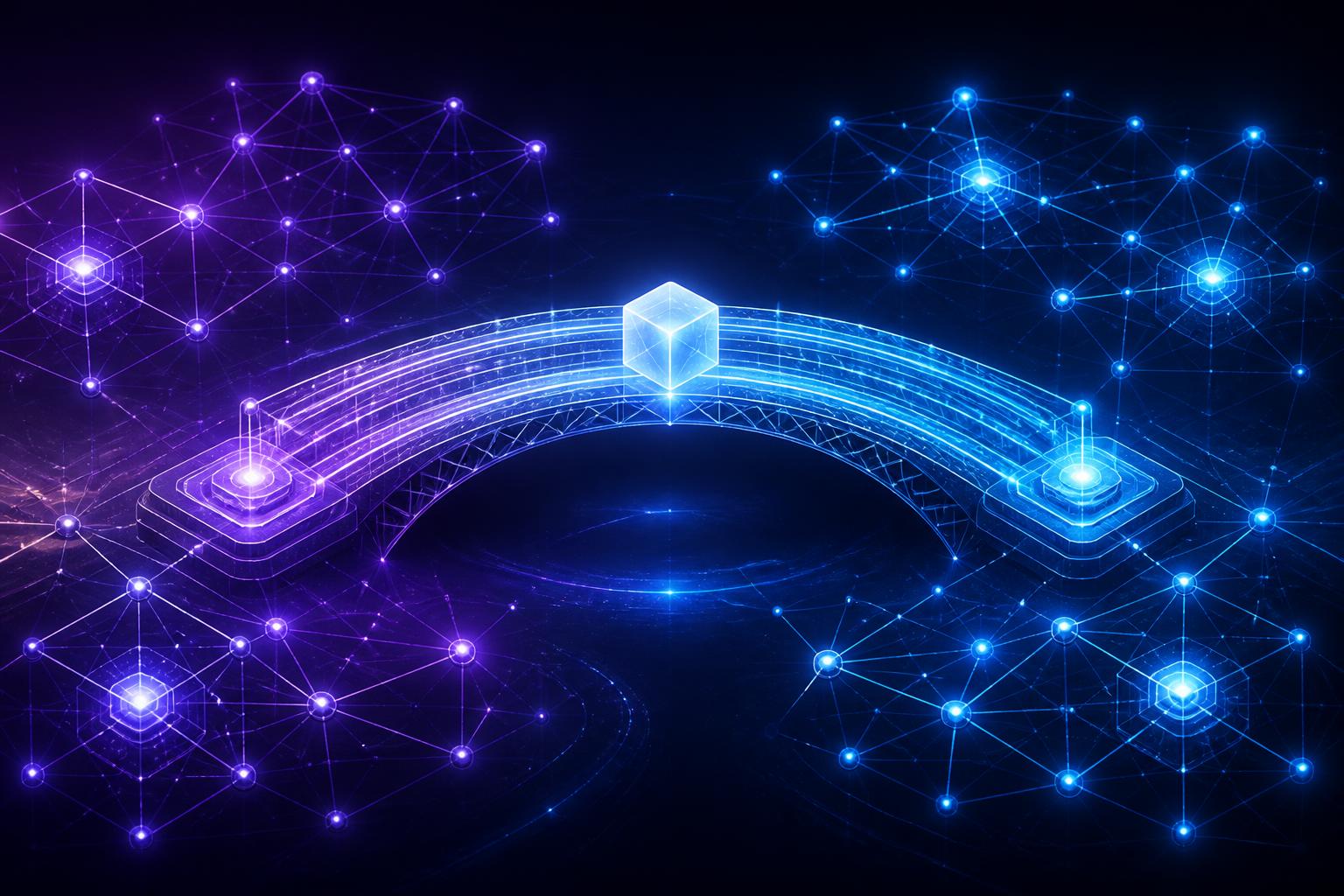
Blockchain is often imagined as a collection of independent networks, each with its own rules, assets, and methods for validating transactions. This structure helps each blockchain optimize for a particular goal, but at the same time creates “islands” of data that are difficult to exchange directly. An asset recorded on one network cannot automatically be
Read more →Blockchain Information · 28 October, 2026
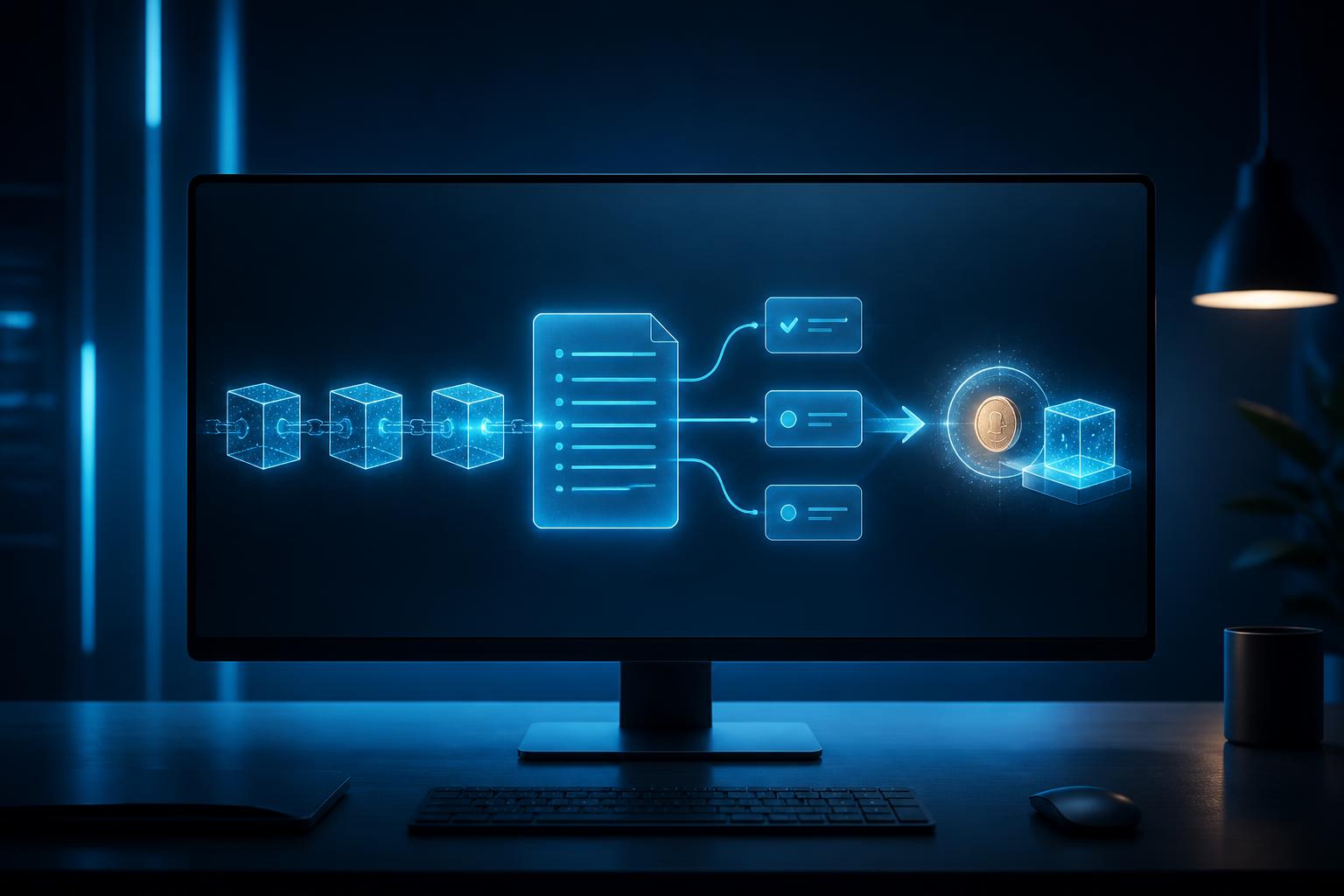
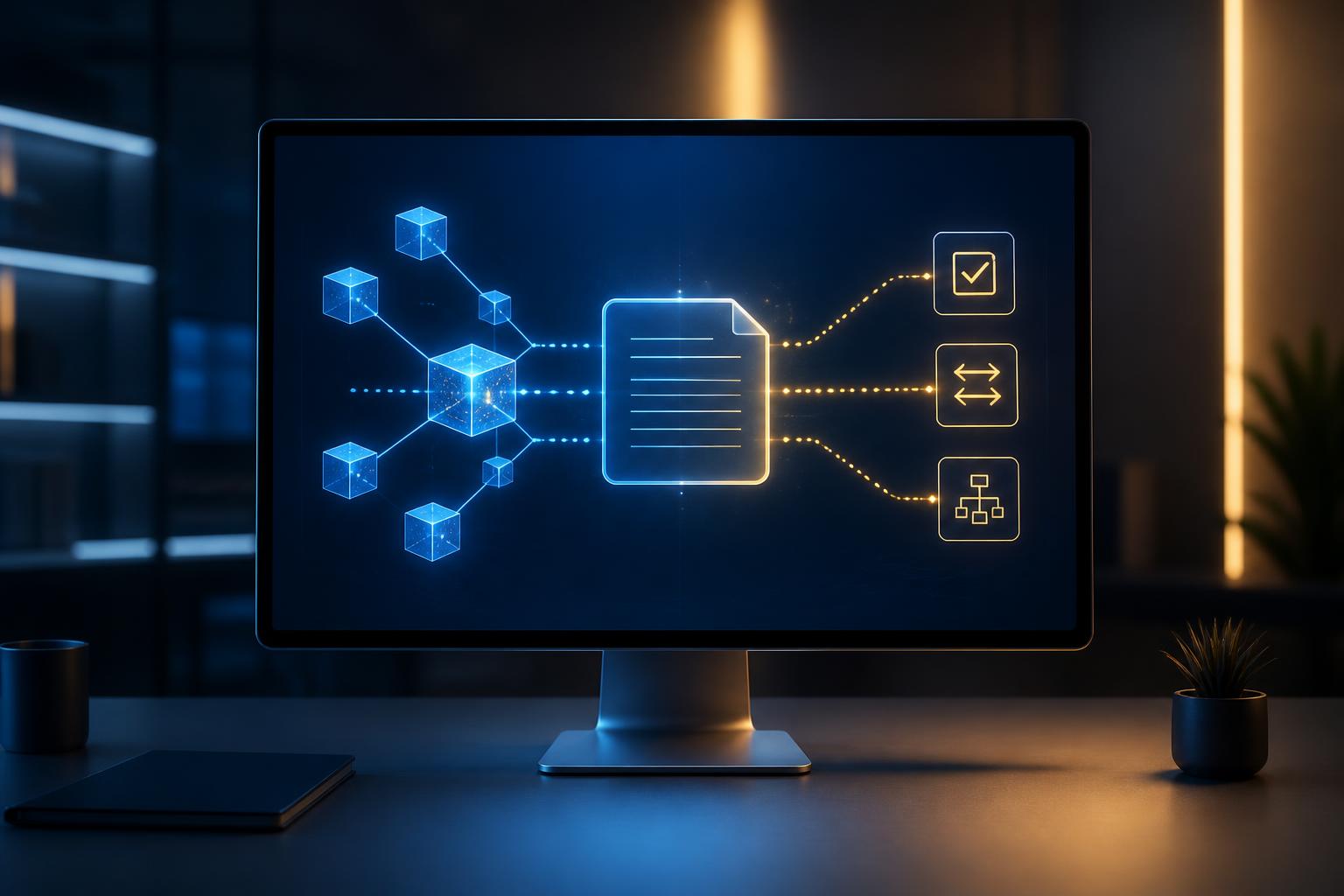
In many discussions about blockchain, smart contracts are often described as a step forward that enables parties to transact without relying entirely on an intermediary. This phrasing reflects part of the technology’s potential, but it can easily lead readers to imagine that smart contracts can replace every form of traditional contract. In reality, a smart
Read more →Blockchain Information · 28 October, 2026
Blockchain is often described as a distributed ledger in which data is not stored on a single server but is copied and updated across many computers in the network. However, this description only addresses the storage structure. The more important question is: when many computers participate at the same time, how do they agree on
Read more →Blockchain Information · 27 October, 2026
Traceability is often mentioned as one of the easiest blockchain applications to understand. A product passes through many stages, from raw materials, production, and packaging to transportation and distribution. At each stage, some information is generated and needs to be passed on to the relevant parties. If data is stored separately across multiple systems, checking
Read more →Blockchain Information · 26 October, 2026
In many online activities, identity is often understood simply as an account, an email address, or a set of information used to log in. This understanding is becoming increasingly incomplete as people study, work, conduct transactions, and use services across multiple platforms. A person may need to prove their age, qualifications, professional status, ownership, or
Read more →