
Skip to content
IDO Technology

News

News

How Do Blockchains Communicate With One Another, and Why Does Interoperability Still Have So Many Limitations?

Blockchain Information2 November, 2026

How Do Blockchains Communicate With One Another, and Why Does Interoperability Still Have So Many Limitations?

Blockchains are often described as independent networks, each with its own consensus rules, data storage methods, and transaction confirmation mechanisms. This independence allows a blockchain to be optimized for a specific purpose, but it also creates an increasingly clear problem as the number of networks grows: assets and data on one network cannot automatically be […]

Read more

Private Data on the Blockchain: How Much Transparency Is Enough?

Blockchain Information2 November, 2026

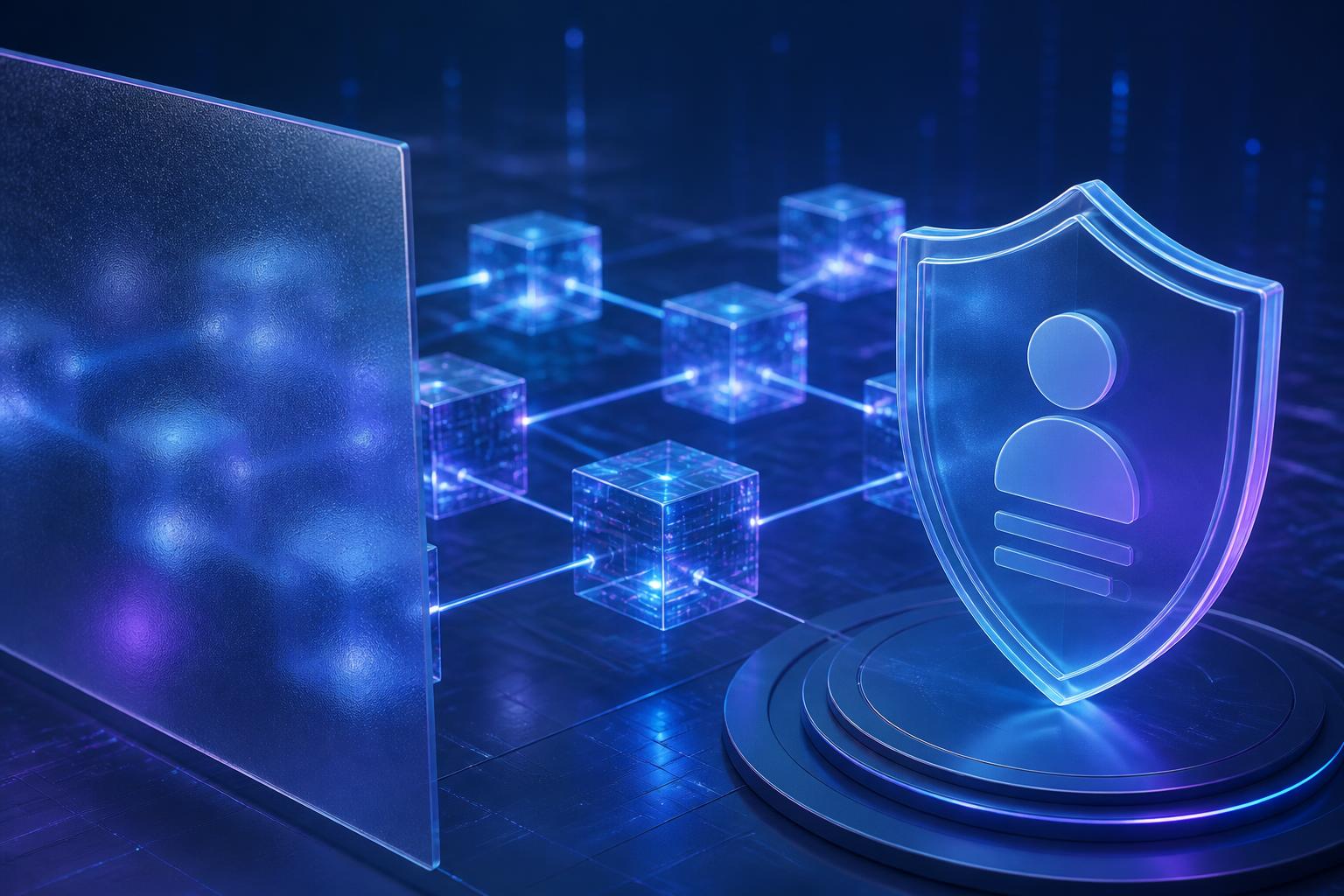
Private Data on the Blockchain: How Much Transparency Is Enough?

Blockchain is often described through appealing characteristics such as transparency, verifiability, and the difficulty of changing data once it has been recorded. These characteristics create clear value in many situations, especially when parties need to jointly confirm a state without wanting to depend entirely on a central authority. However, transparency does not always mean suitability. […]

Read more
Turning Short Breaks into a Daily Movement Routine

General News2 November, 2026

Turning Short Breaks into a Daily Movement Routine

In the rhythm of modern life, many people realize that they spend most of their time sitting, yet find it difficult to set aside a dedicated period for physical activity. Work, studying, family care, and unexpected responsibilities often push exercise plans to the bottom of the list. When schedules become busy, fitness goals are easily […]

Read more
Designing a Digital Device Routine for a More Proactive Life

General News2 November, 2026

Designing a Digital Device Routine for a More Proactive Life

Phones, computers, and connected devices have become a familiar part of modern life. They help people communicate, work, study, entertain themselves, and handle many tasks that once required paperwork or travel. However, this convenience has also created an increasingly common problem: digital devices are not used only when we deliberately need them; they also constantly […]

Read more
How Is the Sense of Presence in Virtual Spaces Created?

Virtual World1 November, 2026

How Is the Sense of Presence in Virtual Spaces Created?

When entering a virtual space, users do not merely see a scene built with software. They also seek the feeling that they are inside that scene, able to observe, move, interact, and respond as a subject rather than simply view content on a screen. This feeling is often called a sense of presence. It is […]

Read more
When Sound and Movement Create a Sense of Presence in the Virtual World

Virtual World1 November, 2026

When Sound and Movement Create a Sense of Presence in the Virtual World

When discussing the virtual world, visual elements often occupy center stage. People pay attention to the level of detail in the scenery, how characters appear, the ability to change viewpoints, or how lifelike a computer-generated space looks. However, a sense of presence is not created solely by what the eyes can see. A digital room […]

Read more
Why Is Quantum Error Correction the Biggest Bottleneck for Quantum Computers?

Quantum Computers1 November, 2026

Why Is Quantum Error Correction the Biggest Bottleneck for Quantum Computers?

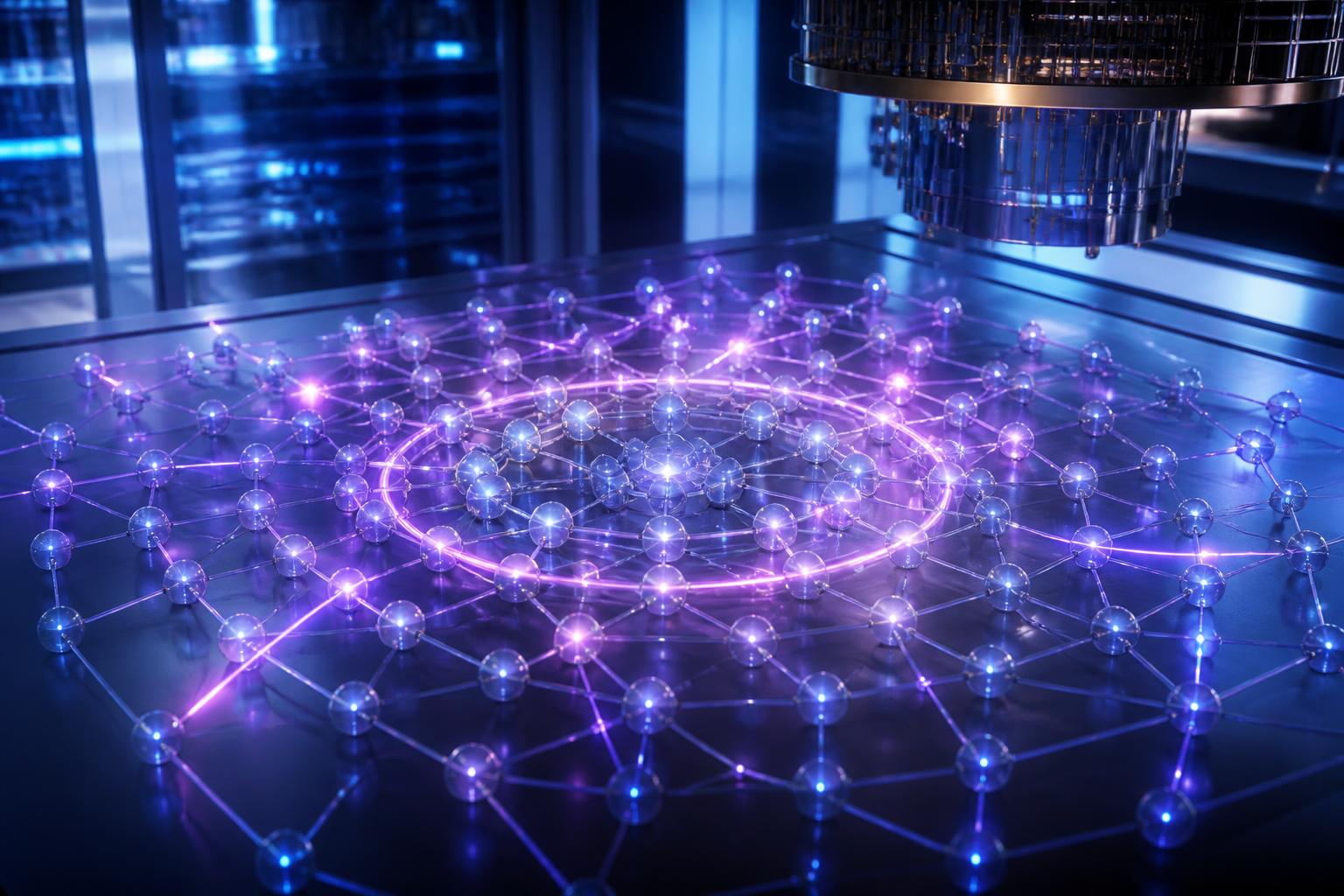
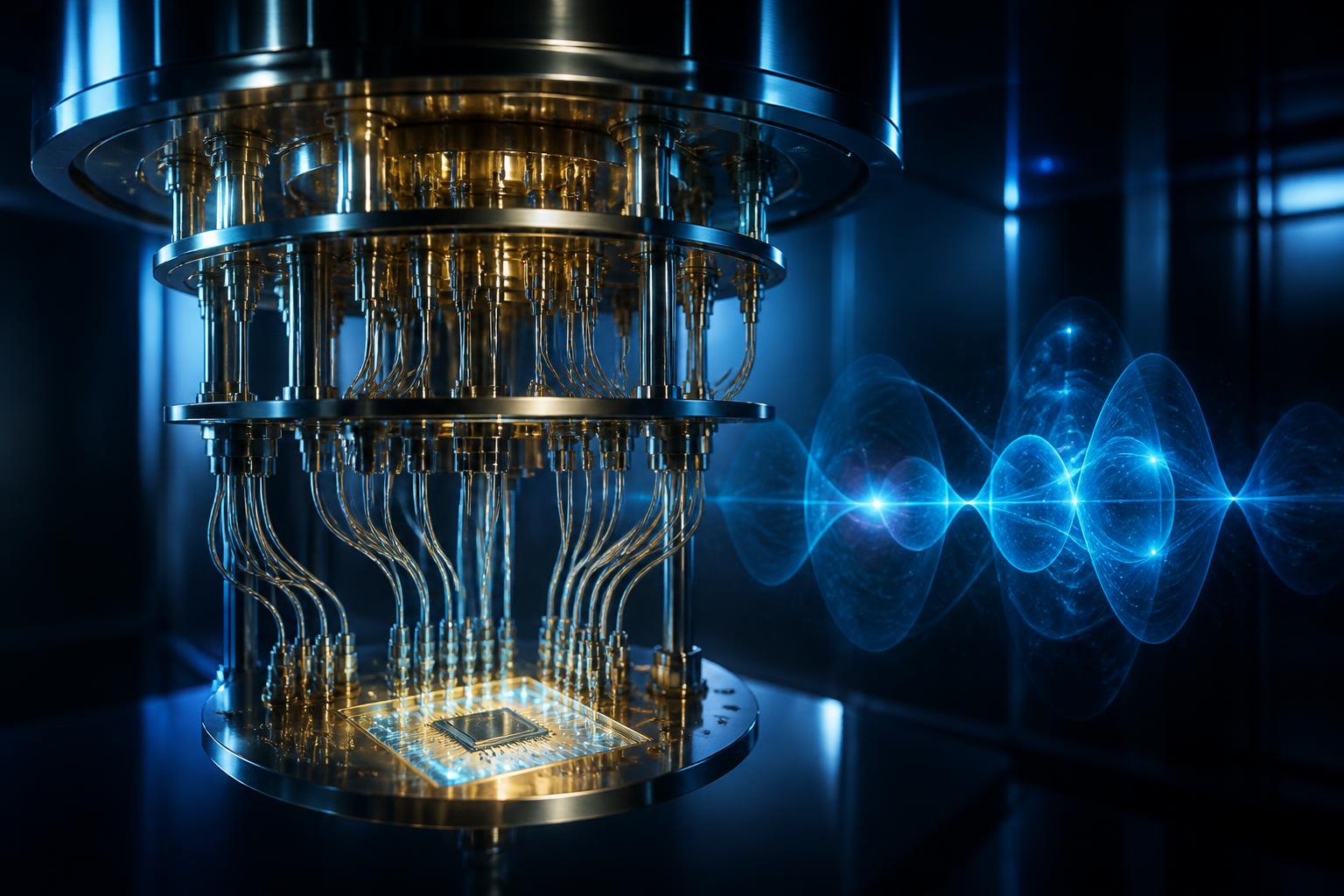
In every computing system, errors cannot be eliminated completely. Conventional computers address this problem through mechanisms such as redundant bits, error-correcting codes, and data integrity checks. Quantum computers also need error correction, but the challenge is far greater. A classical bit can be in only one state, 0 or 1, at a given time, whereas […]

Read more
How Qubits Work: From Fragile States to Measurement in Quantum Computers

Quantum Computers1 November, 2026

How Qubits Work: From Fragile States to Measurement in Quantum Computers

When people talk about quantum computers, the concept usually mentioned first is the qubit. It is the unit of information corresponding to the bit in a traditional computer, but it does not operate in the same way. An ordinary bit is represented by one of two values, 0 or 1, whereas a qubit can be […]

Read more
Choosing the Right SSD for Your Needs: How Should Capacity, Speed, and Durability Be Weighed?

Hardware1 November, 2026

Choosing the Right SSD for Your Needs: How Should Capacity, Speed, and Durability Be Weighed?

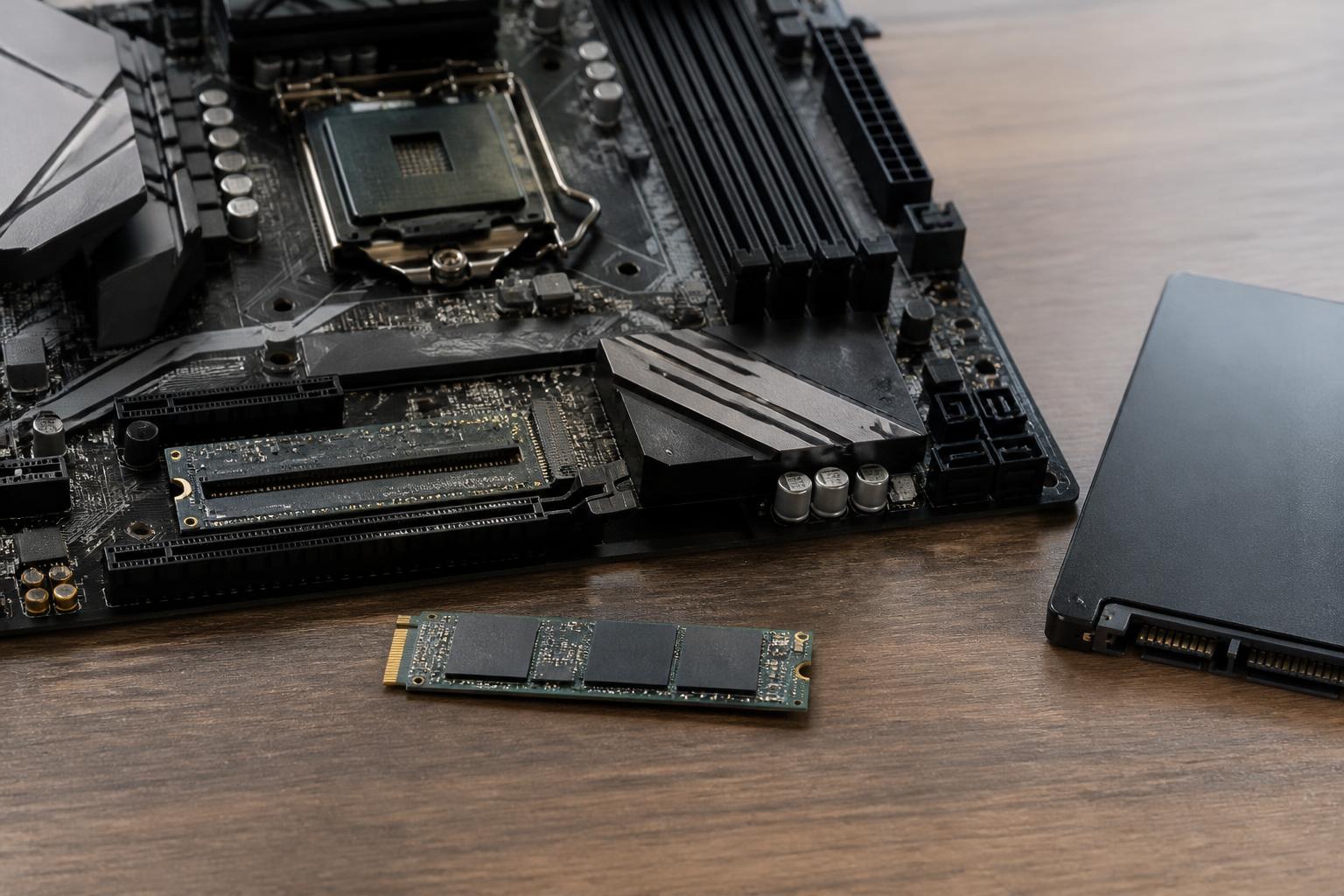
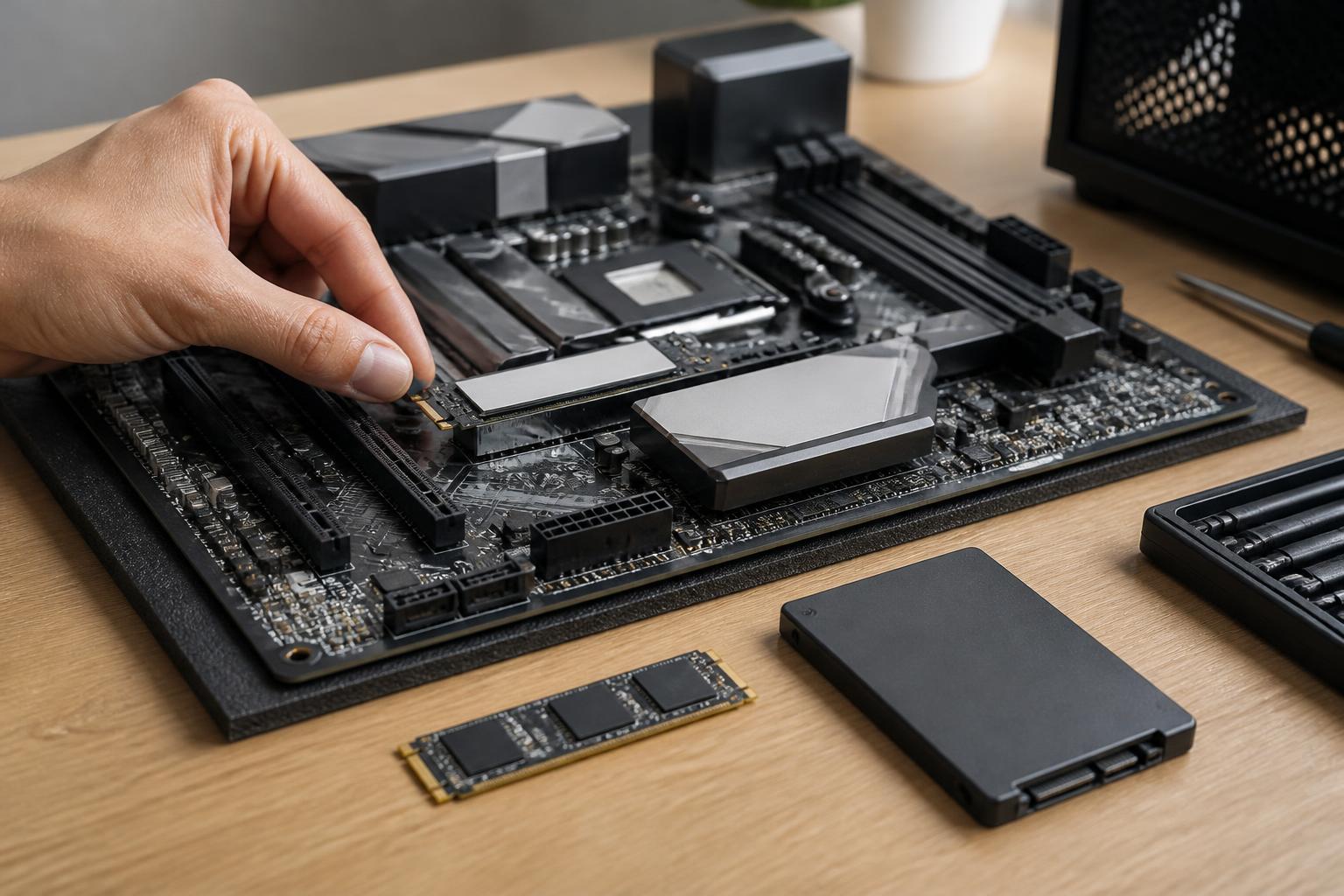
Solid-state drives, commonly known as SSDs, have significantly changed the computer-using experience. Compared with traditional mechanical hard drives, SSDs have no spinning platters or moving read heads, so the time required to boot the operating system, open applications, and access data is usually noticeably shorter. Office computers, thin-and-light laptops, gaming PCs, and workstations can all […]

Read more
Choosing an SSD for Your Computer: How Should Capacity, Speed, and Durability Be Considered?

Hardware1 November, 2026

Choosing an SSD for Your Computer: How Should Capacity, Speed, and Durability Be Considered?

Storage drives are among the components that directly affect how a computer feels to use every day. A powerful processor or plenty of RAM can still be overshadowed by a slow drive, especially when starting the operating system, opening applications, decompressing data, or switching between multiple tasks. The popularity of SSDs has significantly changed this […]

Read more
How Do Stablecoins Maintain Their Peg, and What Should Users Look At?

Crypto1 November, 2026

How Do Stablecoins Maintain Their Peg, and What Should Users Look At?

In the cryptocurrency market, stablecoins are often viewed as instruments with greater stability than highly volatile assets. A stablecoin can be designed to track the value of a fiat currency, an asset, or another reference unit. Thanks to this feature, users can transfer value on blockchain infrastructure without immediately being exposed to the full volatility […]

Read more
Edge Computing Brings Data Closer to Where It Is Generated

Outstanding Technology1 November, 2026

Edge Computing Brings Data Closer to Where It Is Generated

Every day, phones, cameras, industrial sensors, smart vehicles, and many other devices generate vast amounts of data. The familiar approach is to send that data to a data center or cloud platform for processing, then send the results back to the device. This model still plays an important role, but it is not always suitable. […]

Read more