

What Is NFT and Why It Has Become a Global Trend
NFT stands for “Non-Fungible Token.” It is a type of digital asset built on blockchain technology that represents unique ownership of a specific item such as an image, video, music file, in-game asset, or even virtual real estate.
The core value of an NFT lies in its uniqueness and non-interchangeability. Unlike cryptocurrencies such as Bitcoin, where one unit can be exchanged for another of equal value, each NFT has a distinct identity and cannot be replaced.
An NFT is not just a digital file. It serves as a verifiable proof of ownership recorded on a blockchain, most commonly the Ethereum network, where the majority of NFTs are currently created and traded.
The Formation of NFTs from Early Experiments
The concept of NFTs did not emerge suddenly. It evolved over years of experimentation within the blockchain space.
The earliest foundation appeared around 2012 with the idea of “Colored Coins” on the Bitcoin network. These were modified Bitcoin units designed to represent real-world assets.
In 2014, digital artist Kevin McCoy created “Quantum,” widely considered the first NFT. It was recorded on the Namecoin blockchain and introduced the idea of digital art ownership.
Between 2016 and 2017, NFTs began to take clearer shape with collections like Rare Pepes and especially CryptoPunks, a set of 10,000 unique pixel characters. CryptoPunks played a foundational role in shaping the modern NFT market.
The Explosion of NFTs and Key Historical Milestones
From 2020 to 2022, NFTs experienced explosive growth as blockchain technology merged with art and digital finance.
One of the most significant milestones occurred in 2021 when “Everydays: The First 5000 Days” by digital artist Beeple was sold for 69.3 million USD at Christie’s auction house. This sale brought NFTs into global attention.
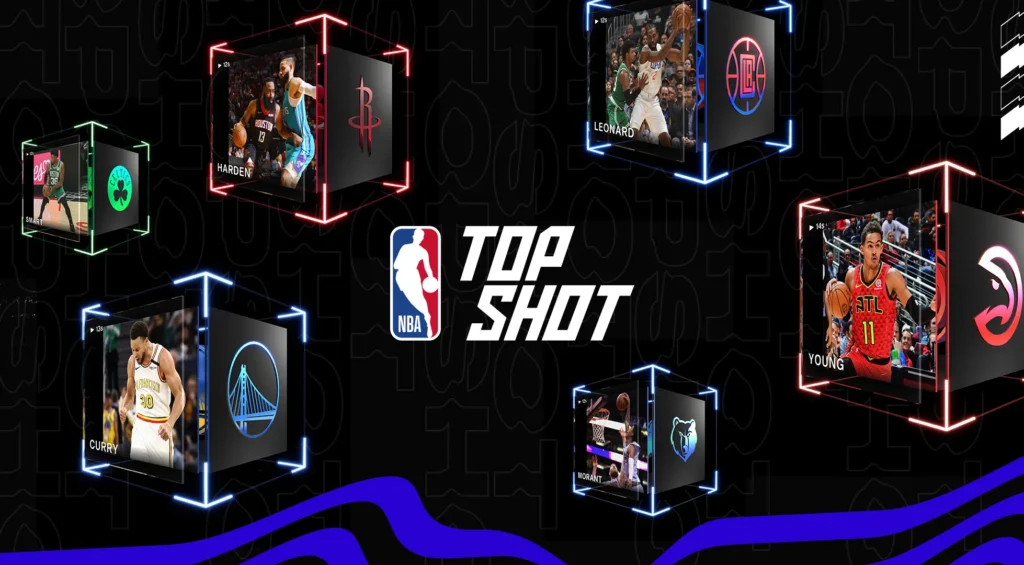
During this period, platforms such as OpenSea became the largest NFT marketplaces. Collections like Bored Ape Yacht Club and platforms like NBA Top Shot attracted millions of users and investors.
NFTs expanded beyond art into gaming, fashion, music, and virtual real estate within emerging metaverse ecosystems.
The Technology Behind NFTs and How They Work
NFTs operate using blockchain technology and smart contracts. The process of creating an NFT is known as minting, where information about the asset is permanently recorded on the blockchain.
The most widely used standard on Ethereum is ERC-721, which defines how unique tokens are created and managed. Each NFT has a distinct identifier ensuring its uniqueness.
Smart contracts also allow creators to embed features such as royalties. For example, artists can automatically receive a percentage each time their NFT is resold.
The Highest NFT Sales and Notable Transactions
The NFT market has recorded several high-value transactions, reflecting strong interest from investors and collectors.
“The Merge” by digital artist Pak was sold for a total of approximately 91.8 million USD in 2021, making it the most expensive NFT ever sold in terms of total value.
Beeple’s artwork, sold for 69.3 million USD, remains one of the highest-priced single NFT sales.
CryptoPunk #5822 was sold for nearly 24 million USD, while “Clock” by Pak and Julian Assange reached around 52.7 million USD.
These figures demonstrate that NFTs are not only technological innovations but also a new class of investment assets.
Global Acceptance and Regulation of NFTs
The regulatory landscape for NFTs is still evolving and varies across countries.
In the United States, the Securities and Exchange Commission has begun examining NFTs under securities law in certain cases, which may lead to stricter financial regulations.
The European Union has introduced the MiCA framework to regulate crypto assets, including NFTs in certain contexts.
In Asia, countries like Japan and Singapore have adopted more open approaches, focusing on innovation and investor protection. Meanwhile, China restricts speculative NFT trading.
In Vietnam, NFTs are not yet fully regulated but have been mentioned in discussions related to the development of the digital economy.
The Future of NFTs and Their Impact on the Digital Economy
NFTs are expanding beyond art and collectibles into more practical applications.
In gaming, NFTs allow players to truly own in-game assets. In music, artists can distribute content directly to fans without intermediaries. In real estate, NFTs can represent ownership of virtual properties.
NFTs are also closely linked to the development of the metaverse, where digital assets play a central role in the economy.
However, challenges remain, including copyright issues, price volatility, and environmental concerns. These challenges require a balance between technological innovation and regulatory frameworks.
NFTs represent a major step forward
NFTs represent a major step forward in defining ownership of digital assets. From early experiments to global adoption, NFTs have demonstrated significant potential to transform how people interact with digital property.
Despite ongoing debates and challenges, NFTs are expected to remain an important part of the future blockchain ecosystem and the broader digital economy.
