Blockchain Information · 4 October, 2026
Blockchain is often described as a decentralized system in which data is validated by a network rather than a single authority. This description is accurate to a certain extent, but it may lead newcomers to believe that blockchains have no decision-makers. In reality, every network must confront very specific questions: When a software bug is
Read more →General News · 4 October, 2026
The internet enables people to access news, knowledge, and discussions almost instantly. With just a device connected to the internet, users can read different perspectives on an event, find guidance for a practical problem, or follow changes taking place in society. However, the speed of dissemination also makes it increasingly easy for inaccurate, decontextualized, or
Read more →Virtual World · 3 October, 2026
Virtual worlds are often imagined as free spaces where users can meet, build, play, or work through digital avatars. However, any community involving people soon raises questions about rules. What is allowed? Which behaviors are prohibited? Who has the authority to resolve disputes? Can users appeal when their accounts are restricted or their digital assets
Read more →Quantum Computers · 3 October, 2026
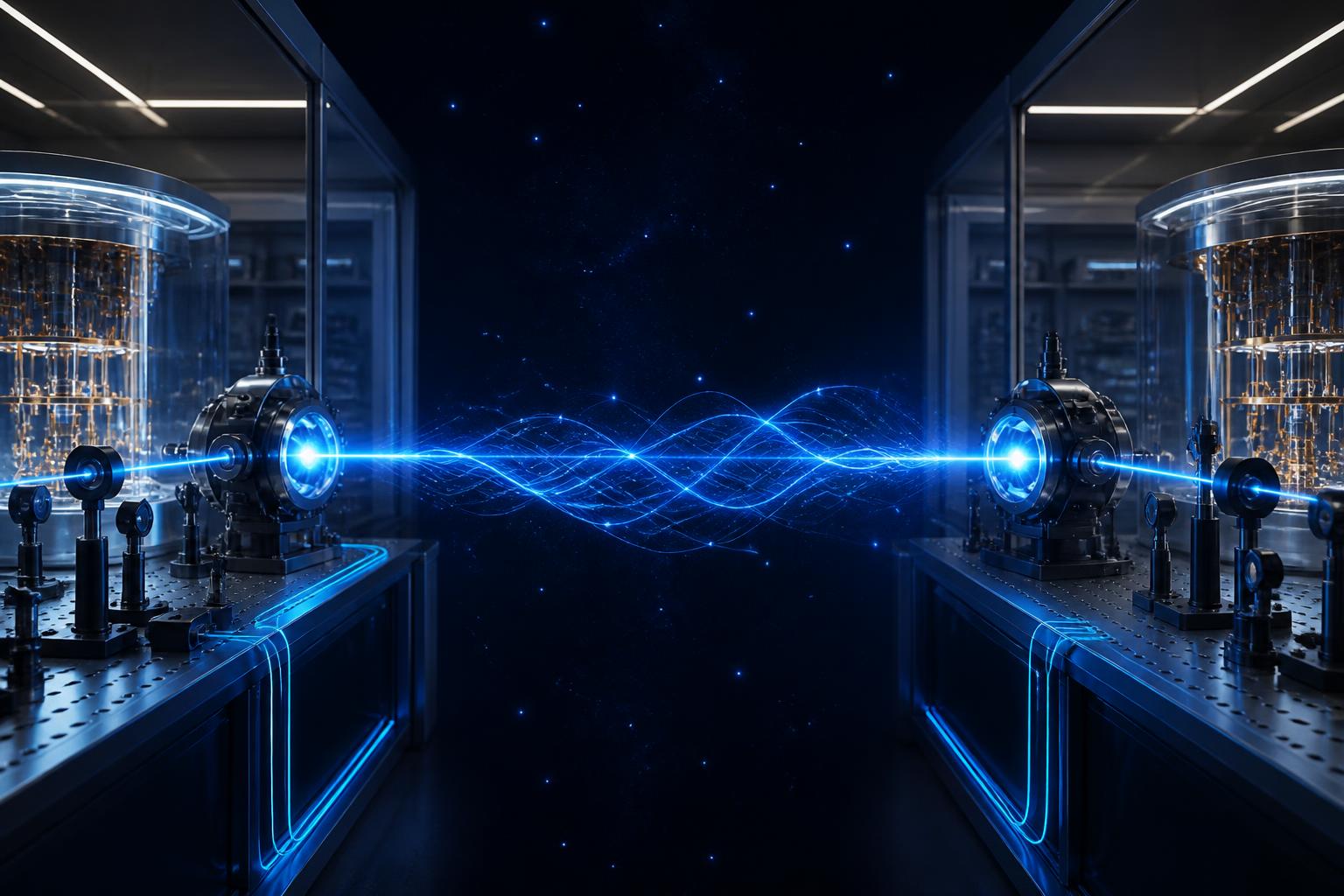
When quantum computers are mentioned, most attention tends to focus on qubits, algorithms, and the ability to process problems that traditional computers struggle to solve. However, a single quantum computer is not the only destination. Many research groups are also working toward connecting quantum devices into a network so that they can share quantum states,
Read more →Hardware · 3 October, 2026
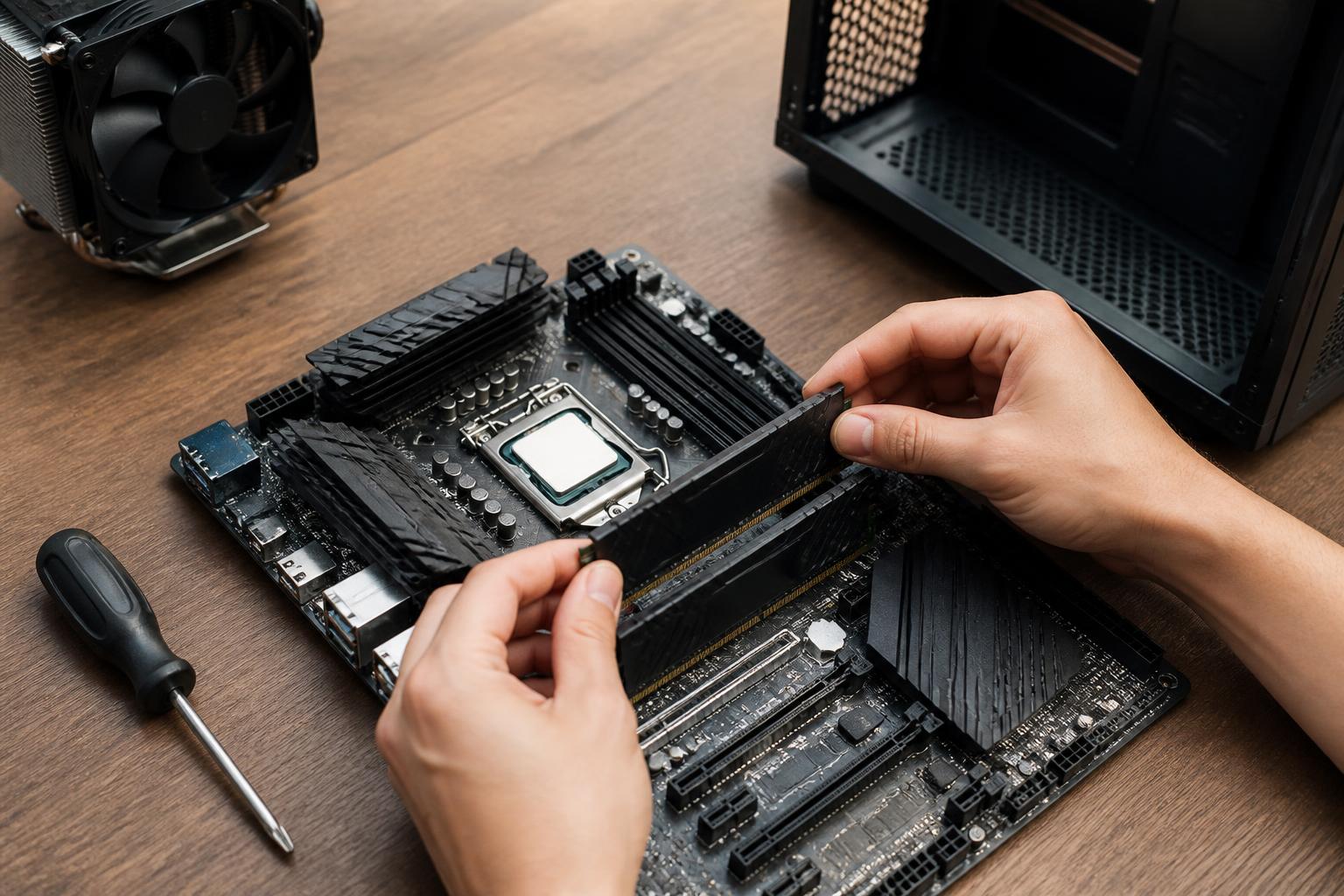
RAM is often mentioned as one of the easiest components to upgrade in a computer. Users only need to open the case, install one or two additional memory modules, and expect the system to run faster. However, the actual results depend on many factors at the same time, from capacity, the number of modules, and
Read more →Crypto · 3 October, 2026
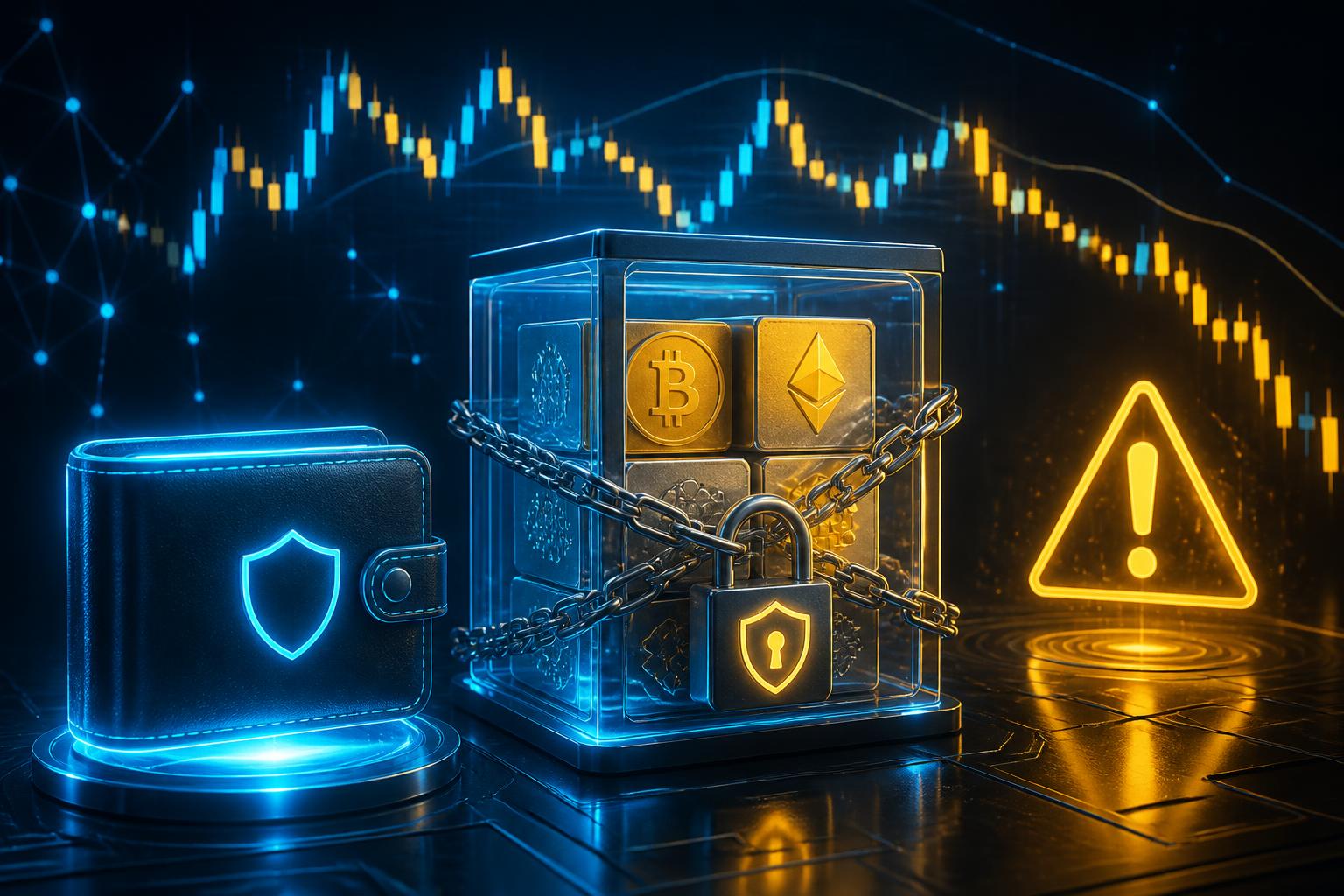
In the world of cryptocurrency, the phrase “not your keys, not your coins” is often used to describe the difference between assets held on an intermediary platform and assets held in a self-custody wallet. This expression emphasizes an important principle: the ability to use assets on a blockchain is tied to control of the private
Read more →