



Digital Twins in the Virtual World: When Data Turns Space into a Living Model
The virtual world is often imagined through highly imaginative images: cities without physical limits, meeting...
Oct

Why Can’t Virtual Worlds Connect Seamlessly with One Another?
In the popular imagination, a virtual world is not merely a standalone application but a...
Oct

Digital Identity in the Virtual World: Why Is an Avatar More Than Just a Representation?
When entering a virtual world, users often begin by creating an avatar. It may be...
Oct

Spatial Audio Is Changing How People Are Present in Virtual Worlds
When people talk about virtual worlds, most of the attention is usually devoted to visuals,...
Oct
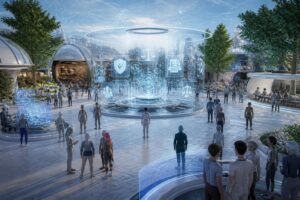
Who Decides What Is Allowed in Virtual Spaces?
In a virtual space, users can chat, attend events, build digital assets, or meet communities...
Oct
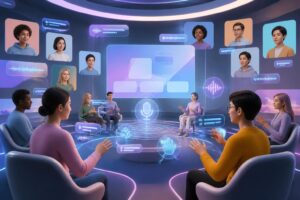
Inclusive Design Determines Who Can Participate in Virtual Worlds
Virtual worlds are often described through highly promising images: users enter a digital space, meet...
Oct

Can an Avatar Accompany Users Across Multiple Platforms?
In many virtual worlds, an avatar is more than just a representative image. It can...
Oct
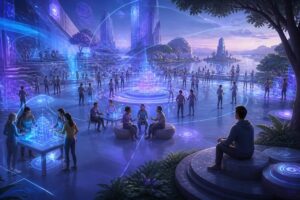
When Presence Becomes a Resource in the Virtual World
The virtual world is often imagined through readily visible images: avatars, three-dimensional spaces, remote gatherings,...
Oct

Who Sets the Rules in the Virtual World?
Virtual worlds are often imagined as free spaces where users can meet, build, play, or...
Oct

Can the Virtual World Be for Everyone? The Accessibility Challenge in Design
When people talk about the virtual world, they often picture richly detailed scenes, naturally moving...
Oct