



Digital Identity in the Virtual World: From Avatars to the Right to Be Oneself
In virtual spaces, a person usually appears to others through an avatar, display name, voice,...
Sep

Latency in the Virtual World: Why Is Instantaneous Feedback More Important Than Flashy Graphics?
When entering a virtual world, users usually pay attention first to the visuals: Does the...
Sep
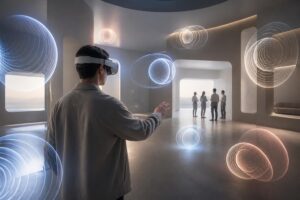
How Does Sound Shape the Virtual World?
Sound Is No Longer Secondary to Visuals When people talk about the virtual world, most...
Sep

When Virtual Worlds Are No Longer Islands: The Challenge of Data and Experience Interoperability
In many common conceptions, virtual worlds are often presented as complete spaces contained within a...
Sep

Multilayered Identities in the Virtual World: How Can People Still Be Themselves?
In the physical world, identity is often tied to a body, a name, a voice,...
Sep
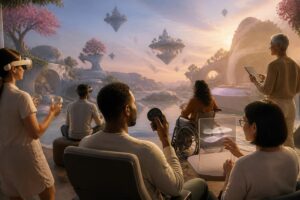
How Can Virtual Worlds Expand Access Opportunities for Everyone?
Virtual worlds are often imagined through richly detailed scenes, fluidly moving characters, and interactions that...
Sep

The Rhythm of Life in Virtual Spaces: Designing Experiences So People Do Not Get Swept Away
Virtual spaces are often described through highly captivating images: a limitless digital city, a meeting...
Sep

Community Governance in Virtual Spaces: When the Rules of the Game Need to Be Designed Together with Users
A virtual space can be built with vivid graphics, multidimensional sound and nearly instantaneous interaction,...
Sep
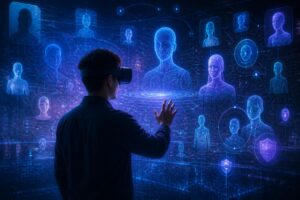
Digital Identity in the Virtual World: Who Is Speaking and Who Is Responsible?
In many virtual spaces, users do not appear with their real faces or official names....
Sep

Digital Assets in Virtual Worlds: True Ownership or Just a Right of Use?
In increasingly complex virtual worlds, users can buy clothes for their avatars, decorate rooms, rent...
Sep