Outstanding Technology · 21 October, 2026
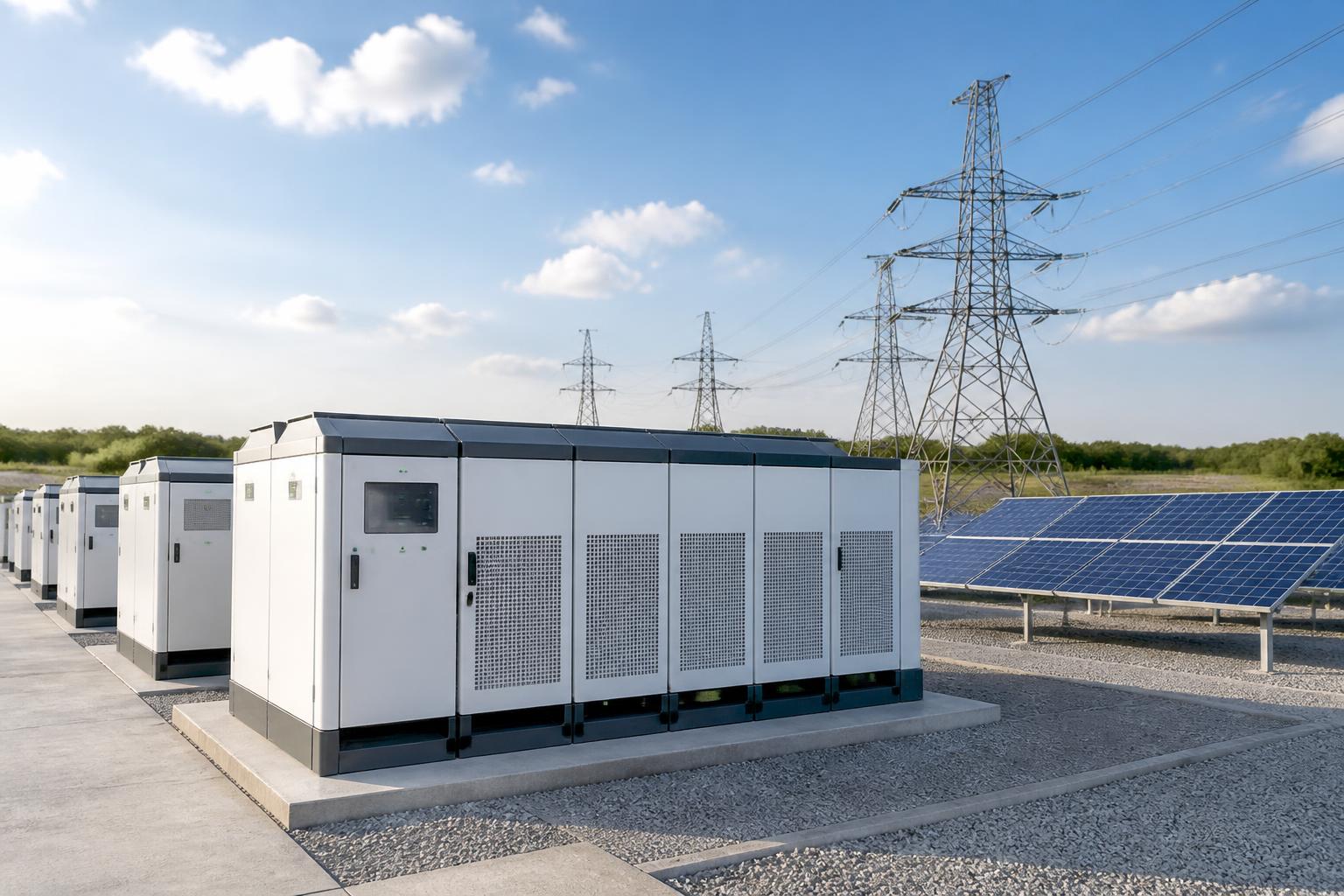
As electric vehicles, mobile devices, and solar power systems develop, the demand for batteries is no longer focused solely on how much energy can be stored in a small mass. The industry must also find answers to many other questions: Are the raw materials readily accessible? How much do production costs fluctuate? Under what conditions
Read more →Outstanding Technology · 20 October, 2026
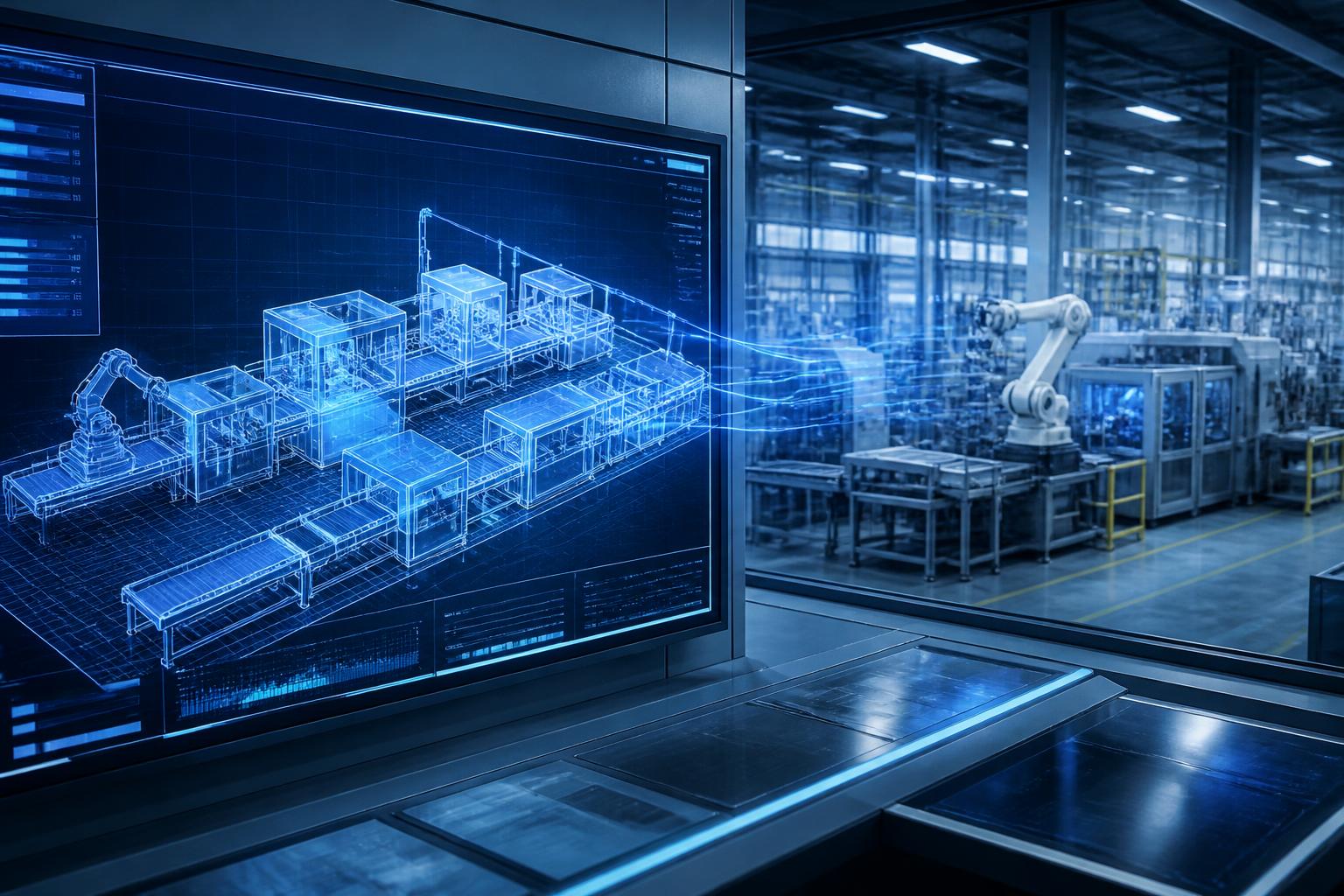
For many years, operational data was typically recorded after an event had already occurred. When a production line stopped, a building consumed too much electricity, or a transportation system developed a bottleneck, managers would only then begin examining reports to find the cause. This approach remains necessary, but it is not enough in environments where
Read more →Outstanding Technology · 19 October, 2026
From Data Centers to Where Data Is Generated For many years, the familiar model for digital systems was to send data from user devices to a data center or cloud platform for processing. Phones upload photos to servers, cameras transmit entire video streams over networks, and sensors in factories continuously send information to a central
Read more →Outstanding Technology · 18 October, 2026
Wi-Fi is entering an era that prioritizes experience over simply racing for speed For many years, whenever a new generation of Wi-Fi was mentioned, users typically focused first on the maximum speed figure. This perspective is understandable, but it does not fully reflect the challenges facing modern wireless networks. A connection with a very high
Read more →Outstanding Technology · 17 October, 2026
For many years, passwords were considered the basic layer of protection for every online account. Users were advised to create long passwords, avoid reusing them across services, and change them whenever there were signs of a breach. However, these very requirements have also exposed the limitations of the traditional login model. Passwords can be guessed,
Read more →Outstanding Technology · 16 October, 2026
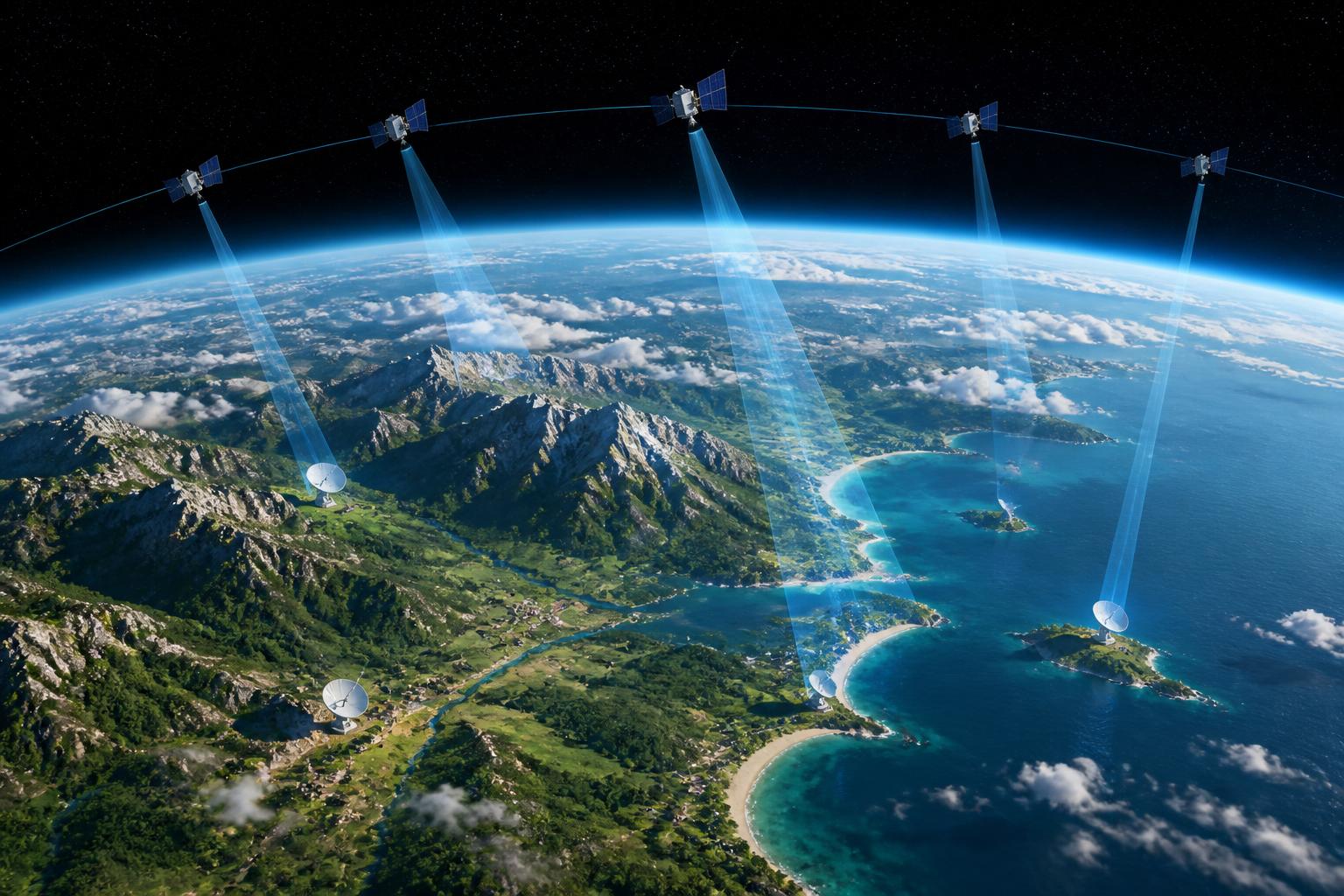
For many years, access to the Internet has depended largely on terrestrial infrastructure such as fiber-optic cables, mobile base stations, and regional transmission routes. This model works effectively in urban areas and places with high population density, but it is more difficult to deploy in mountainous regions, on islands, in deserts, or in areas frequently
Read more →