Outstanding Technology · 11 October, 2026
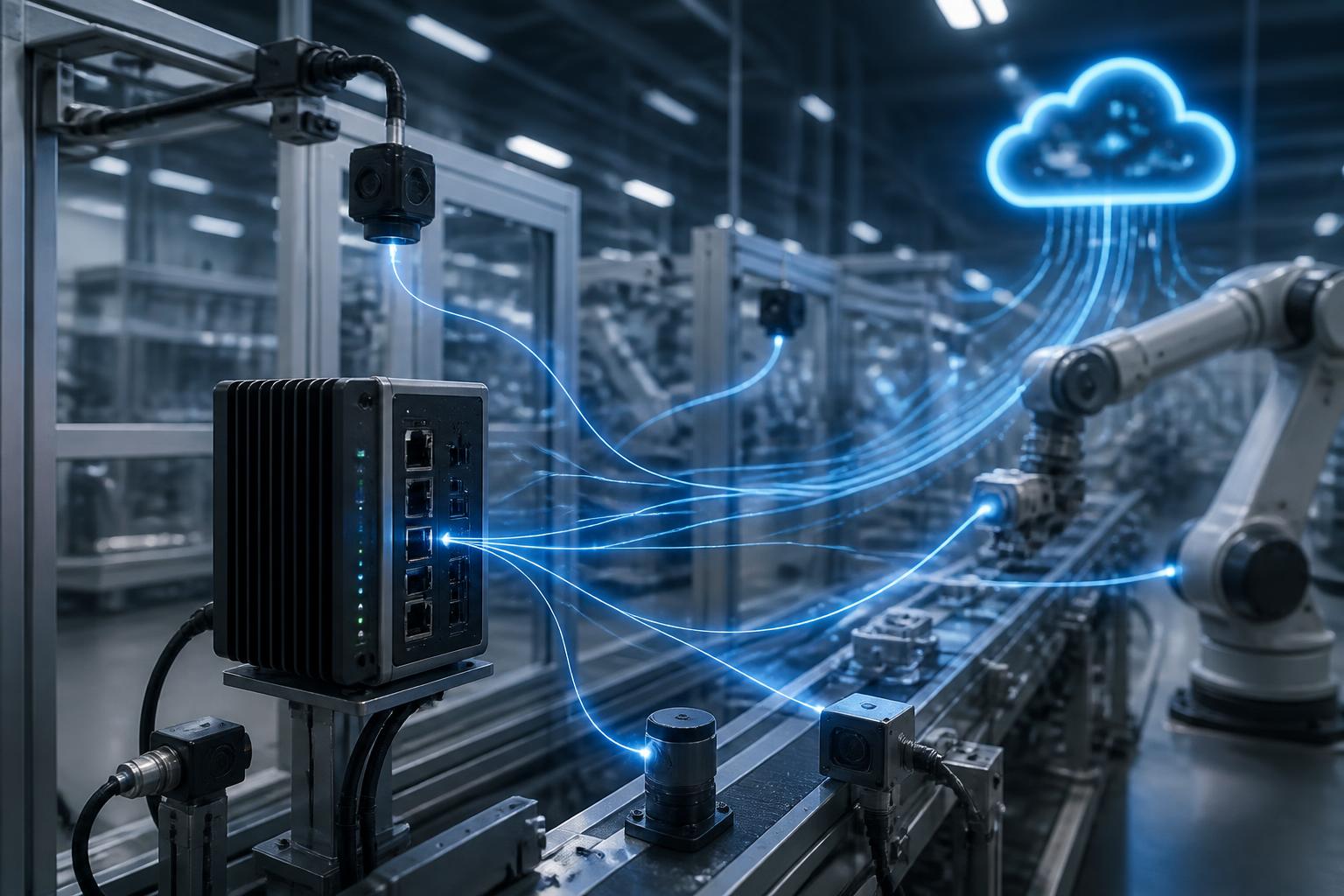
From Centralized Models to Processing Data Where It Is Generated For many years, the familiar way to operate a digital service was to send data from users’ devices to a data center or cloud platform, process it there, and then send the results back. This model suits many needs, especially when organizations want to centralize
Read more →Outstanding Technology · 10 October, 2026
In many industrial and urban activities, a wrong decision can lead to significant costs. Changing production-line parameters, adjusting maintenance schedules, reorganizing traffic flows, or operating a building all require consideration based on real-world data. Digital twins were developed to support precisely this need: creating a digital model capable of reflecting the condition, characteristics, and developments
Read more →Outstanding Technology · 9 October, 2026
For many decades, computers have developed primarily along a familiar path: components have become smaller, processors more powerful, and software increasingly effective at making use of hardware capabilities. Quantum computing has emerged as a fundamentally different direction. Rather than simply seeking to perform more calculations on traditional bits, quantum computers take advantage of the laws
Read more →Outstanding Technology · 8 October, 2026
For many years, passwords have been the familiar gateway to accessing email, social media, digital banking and online services. Users have been advised to create long passwords, avoid reusing them across multiple accounts, enable two-factor authentication and change their credentials when there are signs of unusual activity. However, as more services emerge, remembering and protecting
Read more →Outstanding Technology · 7 October, 2026
For many years, the familiar model for digital systems has been to transfer data from end devices to a data center or cloud platform for processing. This approach is suitable for tasks that do not require an immediate response, such as storing records, synchronizing data, or analyzing periodic reports. However, as the number of sensors,
Read more →Outstanding Technology · 6 October, 2026
In many industries, operational decisions are often made based on reports of what happened in the past. A factory reviews the previous day’s production data, a building management unit checks monthly electricity consumption, while a logistics company analyzes routes after goods have been delivered. This approach remains necessary, but it is not always fast enough
Read more →